Blog
Why Strategy Fails Without Strategic Portfolio Management
Introduction
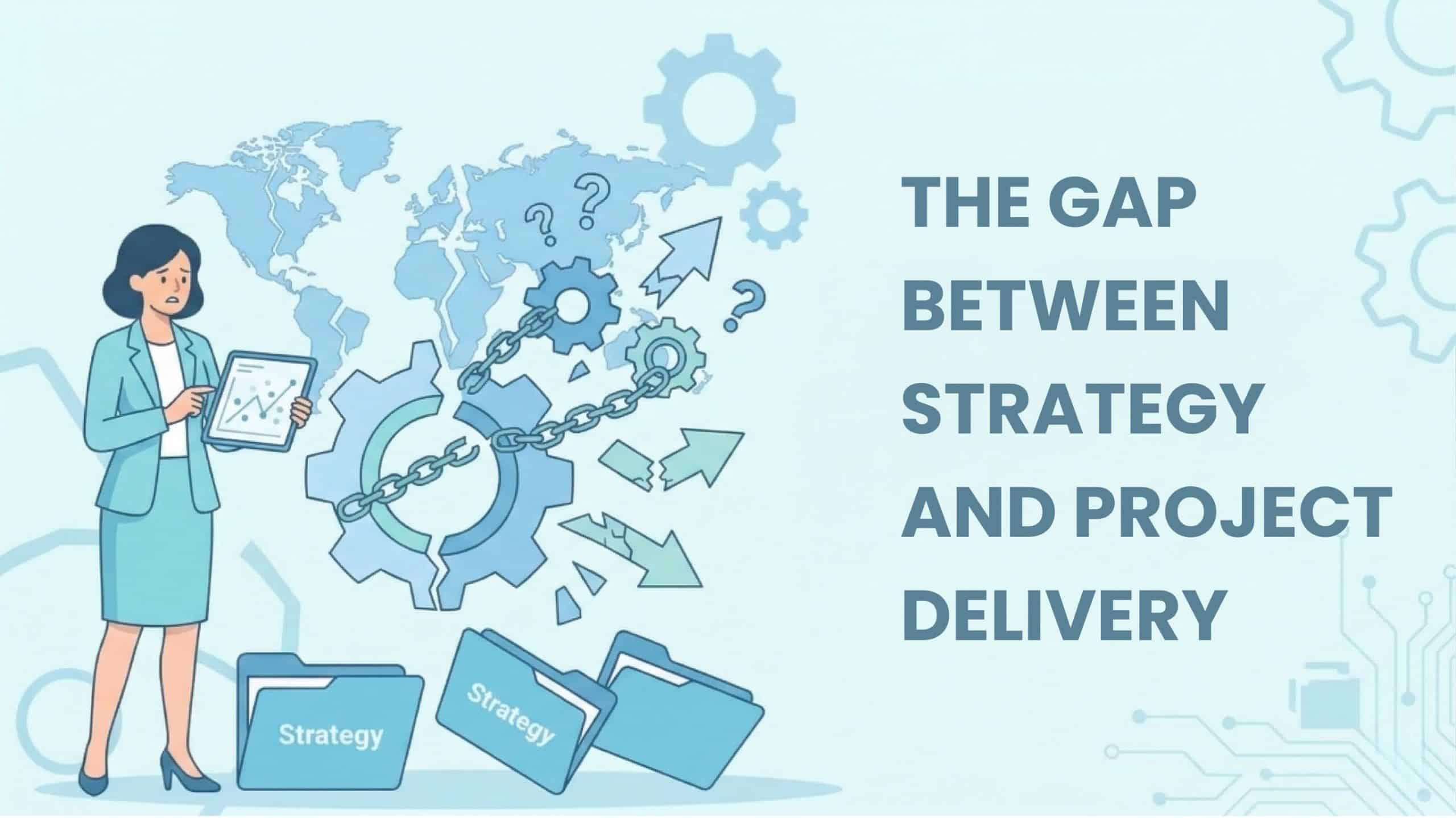
Strategic portfolio management exists to solve one of the most persistent problems in business execution: organizations that define a clear strategy but still fail to deliver it. The problem rarely lies in the quality of the strategy itself. It lies in what happens after leadership signs off – when projects multiply, resources stretch, and the connection between strategy and daily execution quietly breaks down.
Leadership teams set priorities, approve initiatives, and launch projects intended to move the organization forward. On paper, these plans often look coherent and achievable.
However, once execution begins, complexity quickly grows. New initiatives appear, existing projects continue by default, and teams compete for the same limited resources.
As a result, organizations often run too many projects at once. Teams stay busy, yet strategic progress slows.
Strategic portfolio management helps close this gap. Instead of managing projects in isolation, it ensures initiatives are selected, prioritized, and adjusted according to strategic objectives and real capacity.
In this way, portfolio management connects strategy with coordinated action – helping organizations focus effort where it matters most.

Strategy Looks Clear – Until Execution Begins
At the strategy level, priorities usually look straightforward.
Leadership defines goals such as:
- entering new markets
- launching new products
- improving operational efficiency
- investing in digital transformation
These priorities translate into initiatives designed to move the organization forward.
However, once execution begins, complexity increases rapidly.
Different departments propose projects to support the strategy. At the same time, existing initiatives continue running. Meanwhile, urgent requests appear throughout the year.
As a result, the number of active projects grows steadily.
Without strategic portfolio management, organizations rarely step back to compare these initiatives against each other. Projects move forward individually, often based on local priorities rather than portfolio-level decisions.
Over time, several familiar problems appear:
- too many projects running simultaneously
- overlapping initiatives across departments
- resource conflicts between strategic programs
- projects continuing even after priorities shift
Consider a common pattern: a leadership team approves eight initiatives across three departments at the start of the year. Each one looked justified in isolation. Six months in, a senior data engineer is split across four projects simultaneously, a critical digital transformation program has stalled waiting for the same budget committee that is also reviewing a lower-priority process improvement, and two teams have unknowingly begun building parallel solutions to the same problem. No individual project manager caused this. It emerged from the absence of portfolio-level oversight.
The organization stays busy. Yet the overall portfolio loses focus.
This is the moment when strategy and execution begin to drift apart.
In most organizations, strategy execution fails not because of poor strategy, but because initiatives are not managed at the portfolio level.

The Hidden Problem: Projects Compete for the Same Capacity
At first glance, strategic initiatives often appear manageable. Each project looks reasonable when evaluated on its own, and leaders approve initiatives based on their individual value.
However, the situation changes once many initiatives run at the same time.
Projects rarely compete only for attention. In reality, they compete for the same limited organizational capacity. As the number of initiatives grows, these shared constraints begin to shape what the organization can realistically deliver.
Typical constraints include:
- specialized expertise or technical skills
- engineering or development capacity
- budget availability
- executive decision-maker attention
- operational resources needed to support change
Managing these constraints requires clear resource visibility and planning across projects.
When these constraints are not managed across the portfolio, projects continue to enter the pipeline without considering their combined impact.
As a result, organizations gradually commit to more work than they can execute.
Over time, the consequences become visible. Teams split their attention across too many initiatives, key programs slow down due to resource conflicts, and priorities begin to shift informally in order to resolve bottlenecks.
Instead of enabling strategy, the portfolio begins to absorb capacity faster than the organization can deliver.
This is why portfolio-level visibility and capacity awareness become essential. Portfolio-level management allows leaders to evaluate initiatives together, understand their combined impact on resources, and commit to work the organization can realistically deliver.

Why Project-Level Management Cannot Solve This
Strong project management improves execution inside individual initiatives. Teams plan schedules, manage risks, coordinate stakeholders, and deliver defined outcomes.
However, project management operates after a project has already been approved. At that point, the focus shifts to delivery rather than evaluating whether the initiative still deserves priority.
Project Managers Execute – They Don’t Decide What Should Exist
Project managers concentrate on execution. They typically do not decide:
- which initiatives should be prioritized
- how projects compare against competing investments
- whether an initiative should pause or stop when priorities change
These decisions occur above the project level.
Well-Managed Projects Can Still Produce the Wrong Results
Because of this limitation, organizations can run many well-managed projects while still failing to execute their strategy.
Initiatives compete for the same resources, priorities evolve, and new opportunities appear. Without a portfolio perspective, teams adjust schedules or reassign resources – but these changes rarely address the underlying problem.
Over time, the organization becomes busy delivering projects that may no longer represent the most important priorities.
This is where strategic portfolio management becomes essential. By evaluating initiatives collectively rather than individually, organizations can balance ambition with capacity and guide execution more deliberately.

Portfolio Management Introduces Strategic Discipline
When organizations manage initiatives individually, priorities often drift. Projects enter the pipeline one by one, each justified on its own merits, but rarely compared against the full portfolio.
Portfolio management introduces the structure needed to evaluate initiatives collectively and maintain alignment with strategic goals.
Initiatives Are Compared, Not Just Approved
Instead of approving projects independently, portfolio management evaluates initiatives relative to one another.
Leaders compare initiatives using shared criteria such as strategic impact, risk exposure, expected value, and resource requirements. This approach forces explicit trade-offs and prevents portfolios from expanding without limits.
As a result, fewer initiatives move forward – but those that do receive clearer priority.
Shared Constraints Become Visible Before They Disrupt
Strategic plans often assume that multiple initiatives can progress simultaneously. In practice, execution depends on shared resources and limited capacity.
Portfolio management provides visibility into these constraints. By understanding how initiatives compete for the same expertise, budgets, and operational support, organizations can make realistic commitments and avoid systemic overload.
Portfolios Must Respond as Conditions Shift
Strategy does not remain static. Market conditions change, risks emerge, and new opportunities appear.
Portfolio management therefore treats the portfolio as dynamic. Leaders regularly review initiatives, reassess priorities, and adjust commitments when conditions evolve.
This ongoing adjustment helps maintain alignment between strategic intent and execution reality.

Making Trade-Offs Explicit
One of the most important benefits of strategic portfolio management is transparency.
In organizations without portfolio oversight, trade-offs still occur – but they happen informally. Teams negotiate priorities, escalate conflicts, or shift resources between initiatives as problems appear.
However, these adjustments rarely address the portfolio as a whole.
Strategic portfolio management makes these trade-offs visible by providing leaders with a clear view of the portfolio, including:
- how many initiatives are active
- where resources are overcommitted
- which projects compete for the same expertise
- how new initiatives affect existing commitments
With this visibility, leaders can rebalance the portfolio deliberately rather than reacting to problems as they arise.
Instead of resolving conflicts one project at a time, organizations can adjust priorities across the portfolio and keep execution aligned with strategy.

When Organisations Recognise They Need Strategic Portfolio Management
Portfolio-level discipline is not always introduced proactively. More often, organisations reach a breaking point that makes the gap impossible to ignore. Several patterns consistently signal that project-level management is no longer sufficient.
Leaders frequently hear that teams are at capacity, yet cannot easily identify which initiatives are consuming the most effort or delivering the least strategic value. Priority conflicts escalate informally – resolved through conversations rather than structured decisions, leaving different parts of the organisation with different assumptions about what matters most. Initiatives that were approved months earlier continue progressing even though the conditions that justified them have changed. And when a new strategic opportunity appears, there is no clear mechanism to evaluate it against what is already running.
These are not signs of poor execution. They are signs that execution has outgrown the framework managing it. Strategic portfolio management provides the structure to address them before they compound.
Conclusion
Strategy rarely fails because organizations lack ideas.
More often, execution breaks down because initiatives accumulate faster than they can be delivered. Projects continue by default, resources stretch across too many priorities, and strategic focus gradually erodes.
Strategic portfolio management introduces the discipline needed to prevent this drift. By evaluating initiatives collectively, making trade-offs explicit, and aligning commitments with real capacity, organizations can maintain focus as conditions evolve.
When portfolio decisions remain visible and deliberate, strategy becomes more than a plan. It becomes a coordinated set of actions that the organization can realistically deliver.
Next Step
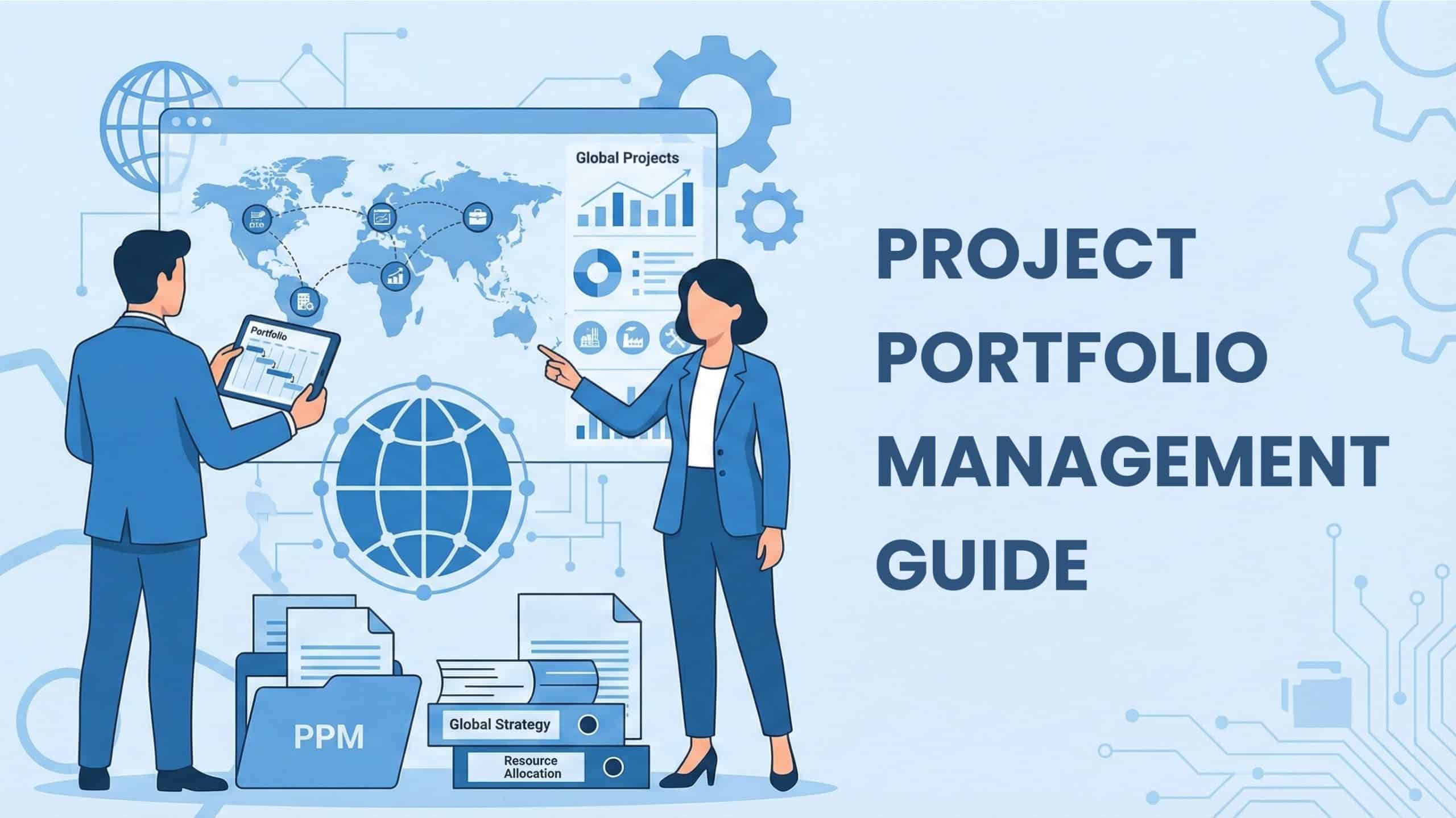
For a deeper explanation of how organizations structure portfolio decisions, see our complete guide to Project Portfolio Management (PPM). To explore how Cerri supports portfolio-level decision-making in practice, visit our Portfolio Management solution page or get an evaluation.








































 Project Management


 Portfolio Management

 Task Management


 Gantt Chart


 Kanban Board


 Scheduler


 Resource Management

 Time Tracking


 Expense Tracking


 Content Management


 Collaboration


 Reporting


 Portfolio Management


 Project Management


 Resource Management


 Time & Expense Tracking


 Gantt Chart Planning
  Cost & Budget Management


 Demand Management


 Stage and Gate Review Support


 Document Management


 Team Collaboration


 Risk & Change Management


 Dashboards & Reports


 Workflow Management


 Integrations
 Customization
 Integrations
 Security
 Hosting
 Configuration