Blog
Why Most Project Management Tools Fall Short and What Buyers Will Expect in 2026
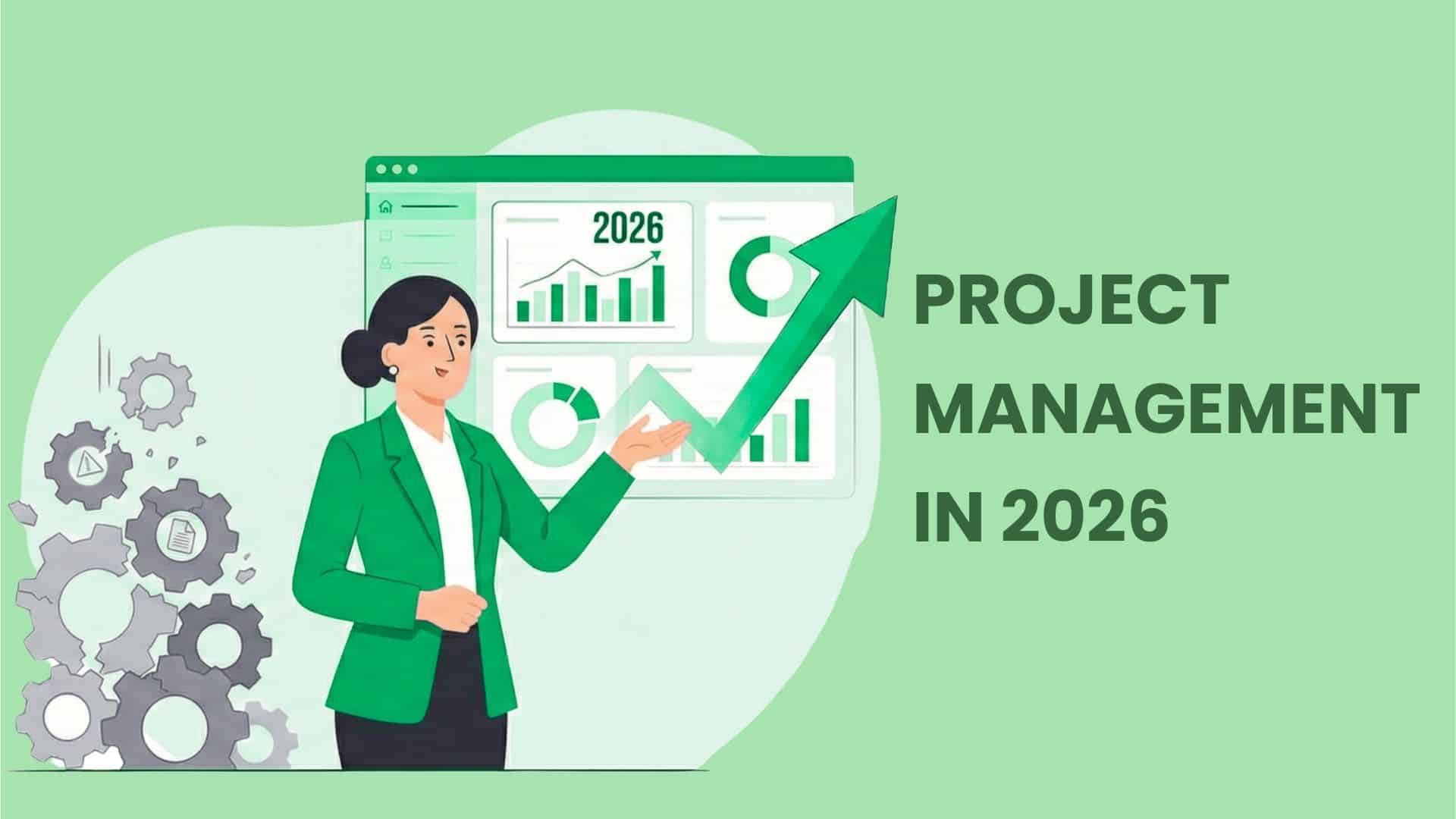
As organizations enter 2026, project execution is under greater pressure than ever. Initiatives move faster, span more teams, involve more external stakeholders, and are increasingly tied to financial, regulatory, and operational outcomes. Yet many organizations are still relying on tools that were never designed for this level of complexity.
Project management software is widespread.
Project execution excellence is not.
The disconnect is becoming harder to ignore. While teams appear “well tooled,” delivery issues persist – missed dependencies, overloaded resources, delayed decisions, and limited visibility into cost and progress. The problem is no longer about adoption. It’s about fit.

1. Execution Has Changed Faster Than Project Tools Have
Project execution in 2026 looks nothing like it did when many project management tools were designed.
Work now spans multiple teams, systems, and stakeholders, often running in parallel rather than in sequence. Projects are tightly coupled with operational performance, regulatory exposure, and financial outcomes. Decisions need to be made continuously – not only at predefined milestones.
Yet many tools still assume a simpler execution model: contained projects, stable teams, and largely linear delivery. To compensate, organizations layer additional tools around their project software.
- Task boards handle planning.
- Chat tools handle coordination.
- Shared drives hold documentation.
- Separate systems track time, costs, and resources.
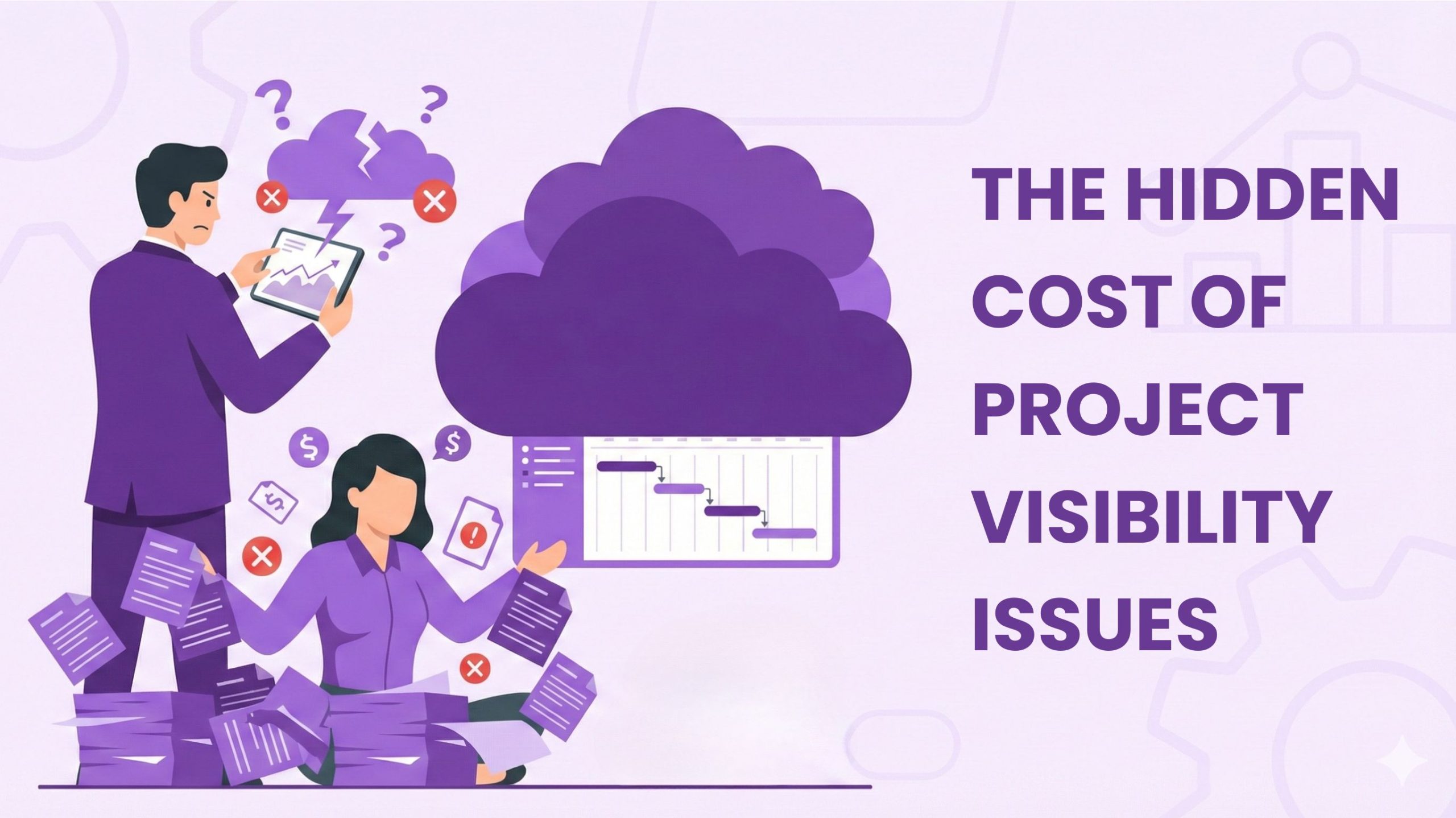
Each tool solves a local problem. Together, they create global blind spots.
This isn’t a failure of adoption. It’s a sign that execution has evolved beyond the capabilities of tools built for an earlier operating model.
2. Why Project Management Software Isn’t Fixing Execution Problems
Because execution has changed, project management software is now being asked to do more than it was designed for – and that gap is where breakdowns occur.
In many organizations, the project management tool captures intent, but execution unfolds elsewhere. Updates, risks, changes, and cost implications emerge outside the system and are reconciled later – if at all. Over time, the tool becomes a reporting reference instead of an execution control point.
Advisor insights from Gartner Digital Markets reinforce this pattern. Despite widespread adoption of project management software, many organizations continue to rely on non-specialized tools, manual processes, or no consistent approach – resulting in “fragmented and loosely connected ways of managing project work.” 1
That fragmentation manifests in predictable ways:
- Dependencies are discovered late, because execution data is scattered.
- Resources drift out of balance, without a consolidated workload view.
- Costs disconnect from daily activity, limiting early course correction.
- Decisions slow down, as leaders reconcile incomplete or outdated information.
- Project managers coordinate systems instead of managing delivery.
The issue isn’t that teams are using project management software incorrectly. It’s that much of the software available today isn’t designed to support execution as it actually happens.

3. The Real Cost of “Good Enough” Project Management Tools
When project management software fails to support modern execution, organizations rarely replace it immediately. Instead, they adapt around it.
Teams compensate with additional tools, manual workarounds, and informal processes. What starts as a pragmatic response – “this works for now” – gradually becomes embedded in how projects operate. Over time, inefficiency becomes normalized.
Lighter tools, in particular, are often selected for their quick adoption and low friction. Early on, they deliver value. But as project volume grows and dependencies increase, their limitations surface in subtle but costly ways:
- Execution data fragments across systems, reducing reliability.
- Financial and resource signals arrive too late to correct course.
- Accountability weakens as ownership blurs across tools.
- Project risk becomes visible only after it materializes.
The cost of these limitations is rarely attributed to the tool at first. Instead, it shows up as missed deadlines, rework, budget overruns, or delayed decisions – outcomes treated as project failures rather than system failures.
Over time, however, repeated friction forces a reassessment. Buyer research reflects this shift clearly: organizations don’t abandon tools simply because they lack features, but because those tools introduce inefficiency, limit visibility, or fail to scale with operational complexity. As Gartner Digital Markets advisor insights suggest, buyers are increasingly seeking “better alignment between how software works and how they actually operate.” (1)
In 2026, the tolerance for “good enough” tools is shrinking. Projects are too tightly linked to business performance, compliance, and financial outcomes for execution blind spots to be acceptable. What once felt manageable now represents measurable risk.
At that point, the question is no longer whether a tool is easy to use – but whether it is capable of supporting execution at the level the organization now requires.

4. What High-Performing Organizations Do Differently
When organizations reach the limits of “good enough” tools, the difference in outcomes becomes clear. Some continue to absorb friction as a cost of doing business. Others change how execution is supported altogether.
High-performing organizations don’t assume better results come from more discipline or more reporting. They recognize that execution quality is largely determined by the systems that support it.
Rather than layering tools and workarounds, they focus on clarity across the full execution lifecycle – treating project management software not as a coordination aid, but as an operational foundation.
In practice, this shows up consistently:
- Execution data lives in one place, creating a reliable source of truth.
- Progress, resources, and costs are visible together, not managed in isolation.
- Decisions are made with current information, not reconciled reports.
- Governance supports execution instead of slowing it down.
- Teams spend less time coordinating systems and more time delivering outcomes.
This approach doesn’t eliminate complexity – but it makes it manageable.
Importantly, these organizations don’t look for tools that merely mirror how people communicate. They look for systems that reflect how work actually flows across teams, timelines, and dependencies. Structure is not seen as bureaucracy, but as an enabler of speed and confidence.
At this point, project management stops being about tracking activity and starts becoming about controlling execution. Risks surface earlier. Trade-offs become visible. Leadership discussions shift from status explanations to informed decisions.
Project management software becomes a strategic asset – not a support function.

5. What Project Management Software Must Deliver in 2026
Expectations for project management software have fundamentally changed. Organizations are no longer evaluating tools based on how easily teams can get started, but on how reliably those tools support execution once complexity sets in.
At a minimum, modern platforms are now expected to:
- Unify execution data, replacing fragmented workflows with a single, reliable source of truth.
- Connect planning with reality, so progress, resources, and costs reflect what is actually happening.
- Support real-time decision-making, instead of relying on delayed or manually reconciled reports.
- Balance structure with usability, enabling governance without slowing teams down.
- Integrate into the broader business ecosystem, rather than operating in isolation
Ease of use still matters. Adoption still matters. But in 2026, those are baseline expectations – not differentiators.
What separates capable tools from limiting ones is their ability to act as an execution backbone: a system that supports teams day to day while giving leaders confidence in the decisions they make.
This shift is already underway. As organizations raise expectations for how work should be delivered, the focus is moving away from “good enough” solutions and toward platforms designed to handle real-world complexity.
Solutions like Cerri Project reflect this direction – supporting structured execution, integrated visibility, and governance that enables rather than restricts delivery. Not as a replacement for collaboration tools, but as the system that connects execution, accountability, and outcomes.
Because in 2026, project success is no longer about tracking more activity.
It’s about executing with clarity, confidence, and control.
Sources & References
(1) Gartner Digital Markets – Insights From Our Software Advisors: Stand Out in Project Management















 Project Management


 Portfolio Management

 Task Management


 Gantt Chart


 Kanban Board


 Scheduler


 Resource Management

 Time Tracking


 Expense Tracking


 Content Management


 Collaboration


 Reporting


 Portfolio Management


 Project Management


 Resource Management


 Time & Expense Tracking


 Gantt Chart Planning
  Cost & Budget Management


 Demand Management


 Stage and Gate Review Support


 Document Management


 Team Collaboration


 Risk & Change Management


 Dashboards & Reports


 Workflow Management


 Integrations
 Customization
 Integrations
 Security
 Hosting
 Configuration