
Project Portfolio Management (PPM) is a crucial discipline that helps organisations align their projects with strategic goals, maximise resource utilisation, and improve decision-making. This comprehensive guide explores what PPM is, its methods and techniques, key processes, objectives, challenges, best practices, and the role of PPM software.
Project Portfolio Management (PPM) is a crucial discipline that helps organisations align their projects with strategic goals, maximise resource utilisation, and improve decision-making. In this comprehensive guide, we'll explore what PPM is, its methods and techniques, key processes, objectives, challenges, best practices, and the role of PPM software.
What is project portfolio management (PPM)?
Project Portfolio Management, often called PPM, is a systematic approach to prioritising, managing, and executing an organisation's projects. Think of it as an orchestra conductor, ensuring that each instrument (project) harmoniously contributes to the symphony (strategic goals).
PPM in a nutshell
At its core, PPM is about selecting and managing projects in a way that delivers the most value to the organisation. It involves making informed decisions about which projects to pursue, ensuring they align with the company's objectives, and optimising resource allocation.
PPM management within an organisation
In most organisations, Project Portfolio Management (PPM) is managed under the oversight of a dedicated department known as the Project Management Office (PMO). The PMO plays a pivotal role in orchestrating the PPM process, ensuring that projects align with the organisation's strategic goals, resources are optimised, and decision-making is data-driven. In the case of larger organisations with multiple PMOs assigned to individual projects or business units, an Enterprise Project Management Office (EPMO) may oversee the overall PPM framework.
The management of PPM can vary depending on the organisation's structure, size, and complexity. Typically, PPM managers report to senior executives such as the Chief Financial Officer (CFO) or Chief Operating Officer (COO). However, reporting lines may differ based on the unique needs and hierarchy of the organisation.
The size of the PPM team can also vary widely, with teams ranging from just a couple of individuals to larger teams of up to 20 people or more. The team's composition and size depend on the scale of PPM implementation and the organisation's specific requirements.
Methods and techniques of PPM
PPM's centralised governance structure is essential for ensuring that projects collectively contribute more than the sum of their individual parts. However, it's important to note that implementing PPM can be a challenging endeavour. It requires a deep understanding of the organisation's strategy and business objectives, consensus on which projects best align with those objectives, enterprise-wide application of best practices, and strong executive-level support. These demands make PPM an essential yet complex function within organisations striving to maximise the value of their project portfolios.
1. Prioritisation matrices

Prioritisation matrices are powerful tools within the PPM framework. They provide a structured approach to compare and select projects. These matrices consider various factors, including project ROI, strategic alignment, and resource availability. By weighing these elements, PPM professionals can determine which projects are the most valuable and deserving of an organisation's resources.
These matrices serve as a decision-making compass, helping teams navigate a sea of potential projects. For instance, a prioritisation matrix can objectively rank the projects based on predefined criteria if an organisation has limited resources and multiple project proposals. This ensures that projects with the highest strategic alignment or potential return on investment take precedence.
2. Balancing the portfolio

Balancing the project portfolio is a critical element of effective PPM. It ensures diversity in project types, risk levels, and time horizons. The rationale behind this approach is to minimise the organisation's exposure to any single point of failure.
Imagine a portfolio where all projects are high-risk, high-reward ventures. If one of them fails, it could have a devastating impact on the organisation. On the other hand, a portfolio with low-risk, low-reward projects may need more innovation and growth potential the organisation needs.
Balancing the portfolio means making strategic decisions about the mix of projects. This might include short-term, quick-win projects and long-term, visionary projects. It also involves considering the risk associated with each project and managing that risk effectively.
3. Scoring models

Scoring models are another essential tool in the PPM arsenal. These models assign numerical values to project characteristics, allowing for an objective evaluation and comparison of projects. The data-driven approach of scoring models removes subjectivity from decision-making.
Using scoring models, organisations can define criteria that are important to them. These criteria could include strategic alignment, resource requirements, potential ROI, and market demand. Each project is assessed against these criteria, with numerical scores assigned to each factor.
For instance, a project with a high strategic alignment score and a low resource requirement score might rank higher in the portfolio than a project with the opposite scores. Scoring models provide a systematic and transparent way to evaluate and compare projects, ensuring that decisions are based on data and not influenced by personal biases.
4. Risk management

PPM isn't just about selecting and executing projects and managing the associated risks. Each project comes with its own set of uncertainties and potential roadblocks. Effective PPM involves assessing these risks and planning for contingencies to ensure the success of the projects.
PPM risk management includes identifying potential risks, analysing their impact, and developing strategies to mitigate or manage them. This might involve setting aside contingency budgets, defining risk response plans, or creating alternative project plans in case of unexpected issues.
By integrating risk management into the PPM process, organisations can navigate the complex landscape of projects more effectively. They can anticipate challenges and be prepared to address them, reducing the likelihood of project failures or costly delays.
Key processes in project portfolio management
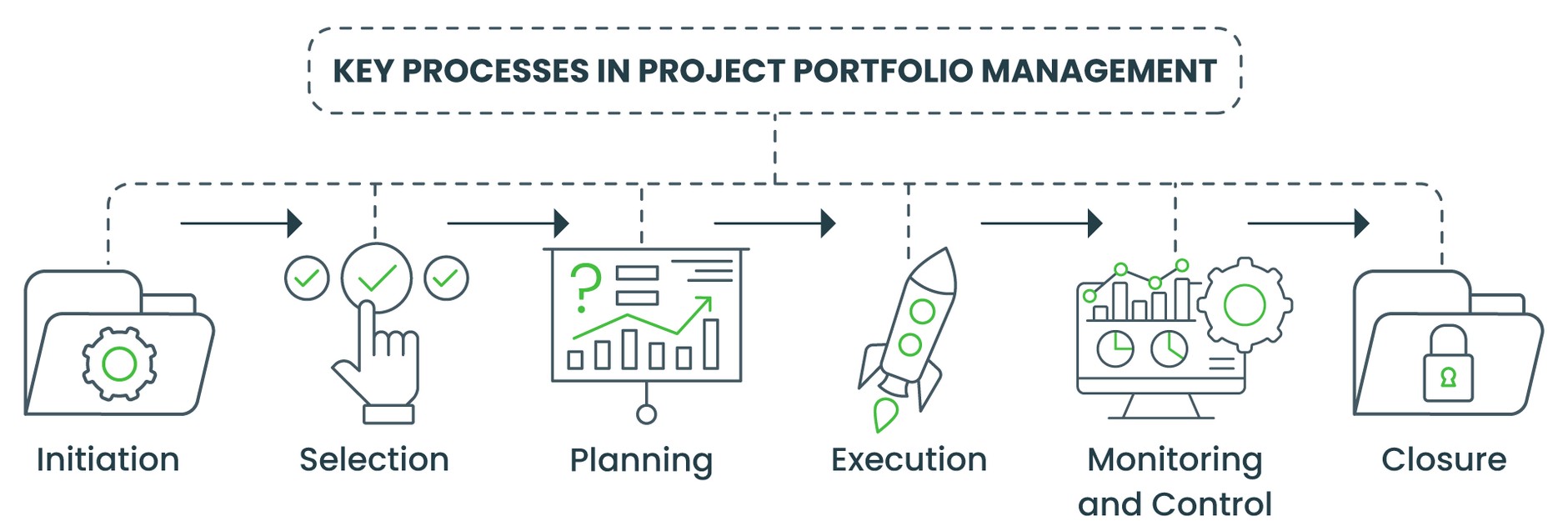
To effectively manage a project portfolio, organisations follow a series of key processes:
- Initiation: This phase involves defining and categorising potential projects, aligning them with strategic goals, and making the case for their inclusion in the portfolio.
- Selection: Here, projects are evaluated and prioritised based on various criteria, such as strategic fit, resource availability, and expected return on investment.
- Planning: Once projects are selected, they undergo detailed planning, including budgeting, scheduling, and resource allocation.
- Execution: During the execution phase, projects are implemented according to the predefined plans. PPM ensures that projects stay on track and remain aligned with organisational objectives.
- Monitoring and control: PPM emphasises ongoing monitoring and control to track project progress and make necessary adjustments in response to changes or issues.
- Closure: After project completion, the PPM evaluates project performance, captures lessons learned, and updates the portfolio based on new information and feedback.
Objectives of project portfolio management
1. Align projects with strategy

One of the core objectives of PPM is to ensure that every project aligns with the organisation's overarching strategy. Think of an organisation's strategy as its roadmap, guiding it toward its long-term goals. PPM acts as the compass, ensuring that every project undertaken is a step in the right direction along that roadmap.
This alignment is critical for several reasons. It ensures that the organisation's efforts and resources are not wasted on projects that do not contribute to its strategic goals. Moreover, it keeps the workforce focused on a shared vision, fostering a sense of purpose and unity. Projects that support the strategy are more likely to succeed as they have a clear, well-defined purpose and a path to success.
2. Optimise resource allocation

Resource allocation is a central component of PPM, and this objective seeks to ensure that resources are allocated optimally. Resources, whether financial, human, or technological, are typically limited, and an organisation needs to use them judiciously to achieve the best possible return on investment.
PPM helps organisations prioritise projects based on their alignment with the strategy and potential return on investment. This means that projects with the greatest strategic impact and potential for positive outcomes receive the necessary resources. In contrast, projects with a lower strategic alignment or potential are either deprioritised or receive fewer resources. This approach minimises waste and maximises the efficient use of resources.
3. Enhance decision-making

Data-driven decision-making is at the heart of effective PPM. This objective emphasises the importance of making informed choices about which projects to pursue and when to initiate them. PPM provides a structured framework for evaluating projects using various criteria, such as strategic alignment, resource availability, market demand, and potential ROI.
Organisations can reduce the risk of making costly mistakes by relying on data and analysis rather than intuition. Informed decisions also help avoid "pet projects" that individuals might favour but do not contribute significantly to the organisation's strategic goals. This data-driven approach instils confidence in decision-making and ensures that resources are directed toward projects with the highest probability of success and impact.
4. Balance risk and reward

Projects inherently carry risks, and one of the challenges in PPM is to manage these risks effectively. The objective of balancing risk and reward is to diversify the project portfolio to reduce exposure to excessive risk.
Through PPM, organisations aim to strike a balance between low-risk, short-term projects that offer quick wins and high-risk, high-reward projects that may have a longer time horizon but have the potential for substantial gains. This diversification ensures that the organisation doesn't place all its bets on a single project that could lead to catastrophic losses if it fails.
Balancing risk and reward also involves implementing risk management strategies to mitigate potential issues that may arise during project execution. By addressing risks proactively, organisations can navigate uncertainties more effectively, increasing the likelihood of successful project outcomes.
Challenges in project portfolio management
While PPM offers numerous benefits, it also comes with its share of challenges:
- Resource constraints: Limited resources can hinder an organisation's ability to execute all its desired projects. PPM helps in resource optimization but cannot eliminate this challenge.
- Budget: Managing project budgets effectively is a significant challenge in PPM. Ensuring that projects stay within their allocated budgets while delivering value can be complex, especially in dynamic business environments.
- Change management: Implementing PPM often requires a significant cultural shift within an organisation. Employees may resist new processes and methodologies.
- Data quality: Effective PPM relies on accurate and up-to-date data. Inadequate data can lead to suboptimal decisions.
- Stakeholder alignment: Ensuring all stakeholders are aligned with the chosen projects and their objectives can be a significant challenge.
Best practices in project portfolio management
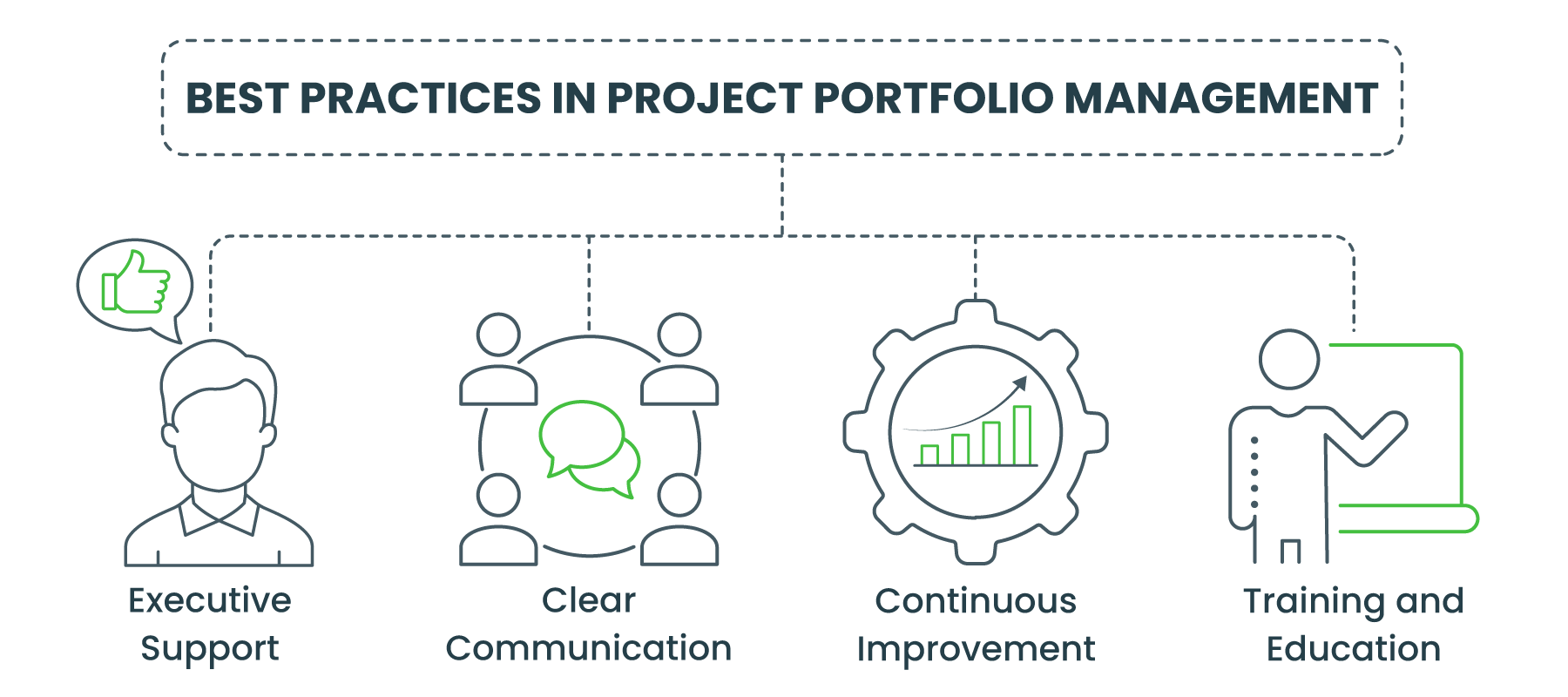
To overcome these challenges and make the most of PPM, consider these best practices:
1) Executive support
Obtaining buy-in from top leadership is paramount. When executives actively endorse PPM, it sends a powerful message throughout the organisation. Their support ensures that PPM is embraced at all levels and that resources and attention are allocated appropriately.
2) Clear communication
Transparent communication is vital for PPM. All stakeholders must understand the processes and decisions underlying project selections and prioritizations. Clear communication fosters collaboration, reduces resistance, and helps build a shared understanding of the organisation's strategic direction.
3) Continuous improvement
PPM is not a one-time solution; it's an ongoing process. Regularly reviewing and updating PPM processes is essential. The business environment is dynamic, and what works today may be ineffective tomorrow. Organisations should adapt and refine their PPM strategies to align with evolving objectives.
4) Training and education
To implement PPM effectively, it's crucial to invest in training for project portfolio managers and key stakeholders. Providing the necessary skills and knowledge empowers individuals to make informed decisions, manage resources efficiently, and align projects with the organisation's strategic vision.
The role of PPM software
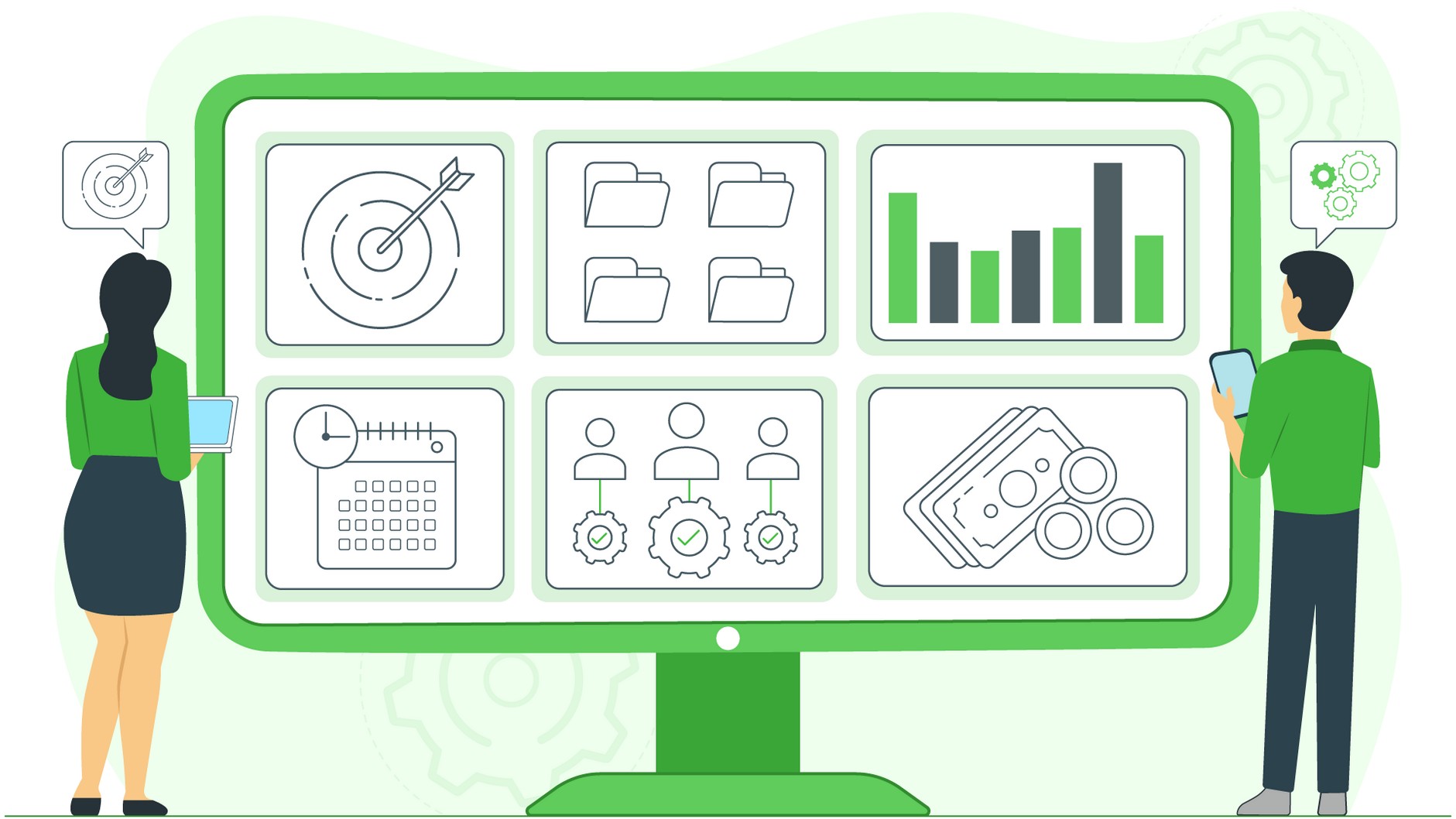
In today's digital age, PPM software is pivotal in streamlining the entire project portfolio management process. It empowers organisations to make more informed decisions, automate routine tasks, and enhance collaboration.
Key features of PPM software
Modern PPM software typically offers the following features:
- Project prioritisation: PPM software helps organisations assess and prioritise projects based on various criteria, ensuring the selection of projects aligned with strategic objectives.
- Resource management: These tools assist in optimising resource allocation, preventing overallocation, and helping organisations make the most of their resources.
- Reporting and analytics: PPM software provides robust reporting capabilities, allowing organisations to monitor project progress, identify bottlenecks, and make data-driven decisions.
- Risk management: With built-in risk assessment and management features, PPM software helps organisations identify potential issues early and plan for contingencies.
Steering strategic success with PPM
In conclusion, Project Portfolio Management is essential for organisations seeking to align their projects with their strategic goals, optimise resource allocation, enhance decision-making, and balance risk and reward. Businesses can steer themselves toward strategic success by employing the right methods, adhering to best practices, and leveraging PPM software.
Remember that PPM is not a one-size-fits-all solution. It should be tailored to an organisation's unique needs, culture, and objectives. With the right approach and the support of PPM software, any organisation can unlock the full potential of its project portfolio management.
If you're ready to take your organisation to the next level by effectively managing your project portfolio, consider implementing PPM today. The benefits of improved decision-making, resource optimization, and strategic alignment will undoubtedly be music to your ears.
How useful was this article?
Get enterprise PM insights, no noise
A bi-monthly briefing on Stage-Gate governance, portfolio management, and enterprise delivery best practices.
No spam. Unsubscribe anytime.
Prefer video? Watch on YouTube
Walkthroughs, Stage-Gate demos, and manufacturing PM best practices on our channel.