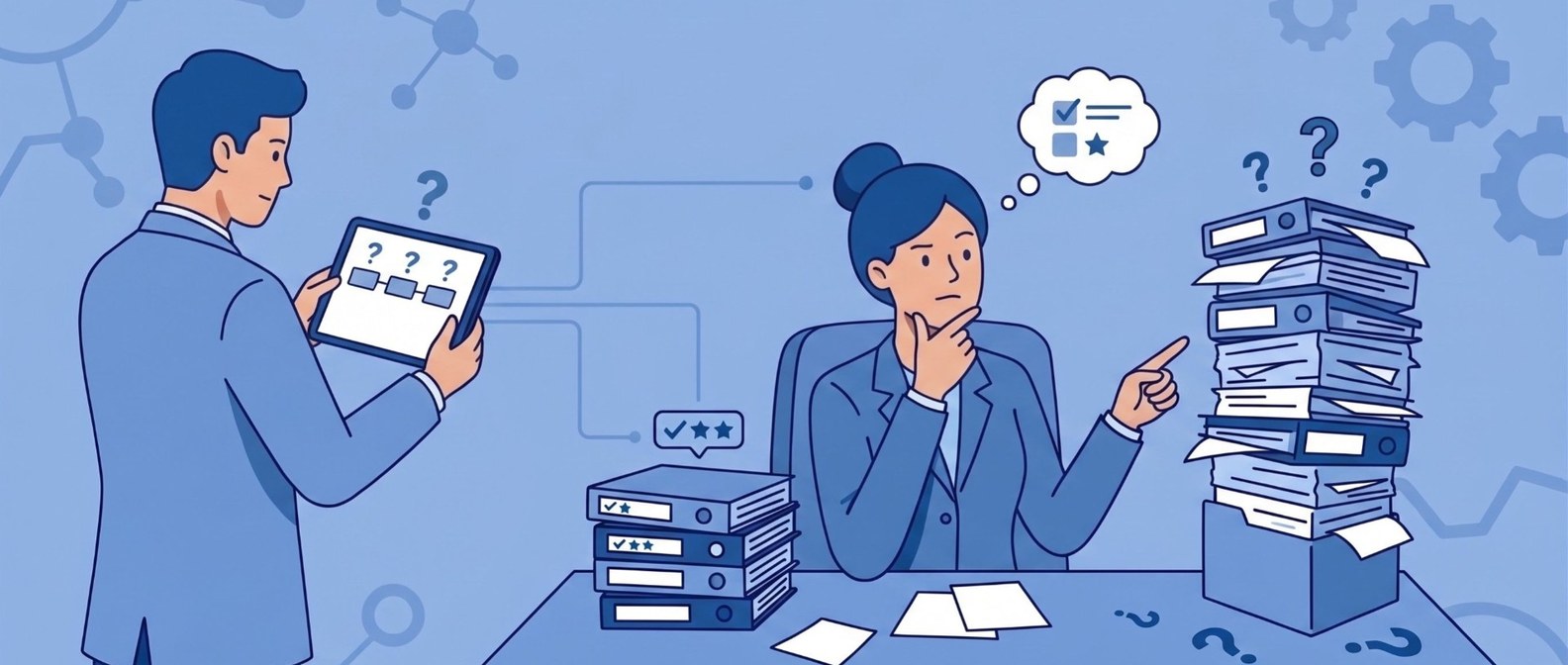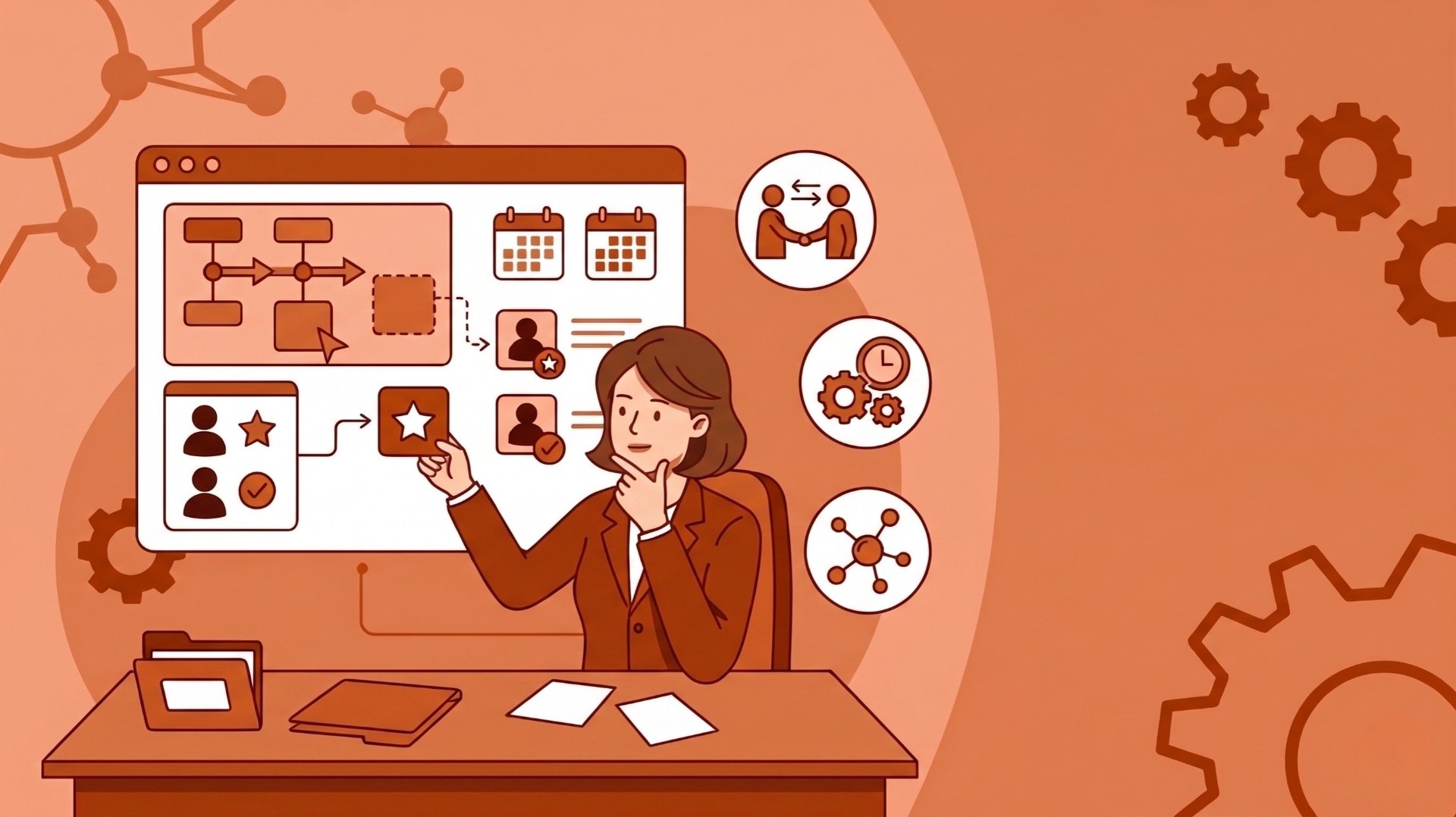
Most organizations already have workflow management in some form. The question is whether it is actually governing anything - or simply documenting activity after the fact. This article explains what enterprise workflow management actually requires, how it connects to portfolio governance, and how to evaluate workflow software for complex environments.
Most organizations already have workflow management in some form.
The question is whether it is actually governing anything - or simply documenting activity after the fact.
Checklists move through stages. Approvals happen by email. Status updates live in spreadsheets. Work progresses - or appears to - but the connection between workflow state and delivery reality is loose, informal, and difficult to verify. In most tools, workflows record what happened. In enterprise environments, they need to control what is allowed to happen next.
In simple environments, this is manageable. In enterprise project environments - where multiple teams, initiatives, and governance requirements operate simultaneously - it becomes a structural problem.
This article is for organizations that already understand what workflow management is and are now evaluating whether their current approach is sufficient for the complexity they are managing. If you are newer to the concept, this guide to project workflow management is a useful starting point.
Why generic workflow tools fall short in enterprise environments

Most workflow management software is designed for simplicity. Tasks move between columns. Notifications fire when status changes. Teams can see what is in progress and what is complete.
For small teams managing contained, linear work, this is adequate.
For enterprise project environments, it is not - and the gap is not cosmetic. It is structural.
Generic tools typically share the same set of limitations:
- No governance layer. Workflow state and governance decisions are disconnected. A task can be marked complete without evidence that approval criteria were actually met. There is no enforcement - only recording.
- No audit trail. When a decision is questioned - by leadership, by auditors, by a project sponsor - there is no structured record of what was approved, by whom, on what basis, and when. Status history is not the same as decision traceability.
- No capacity awareness. Workflows move forward without any visibility into whether the resources required for the next stage are actually available. Bottlenecks appear in execution rather than being surfaced before commitment.
- No cross-project visibility. Each project has its own workflow, with no structured view across initiatives. Dependencies, shared resources, and sequencing conflicts remain invisible until they become delivery problems.
- No configurability at the process level. Default templates reflect someone else's process. Enterprise environments have specific phase structures, approval hierarchies, and governance requirements that cannot be mapped onto generic stages without compromise.
These limitations are tolerable when the stakes are low and the volume is manageable. In multi-project enterprise environments - where governance, auditability, and resource control matter - they introduce risk at every stage of delivery.
These limitations are not usability issues. They are control gaps - and they compound as project complexity increases.
What enterprise workflow management actually requires
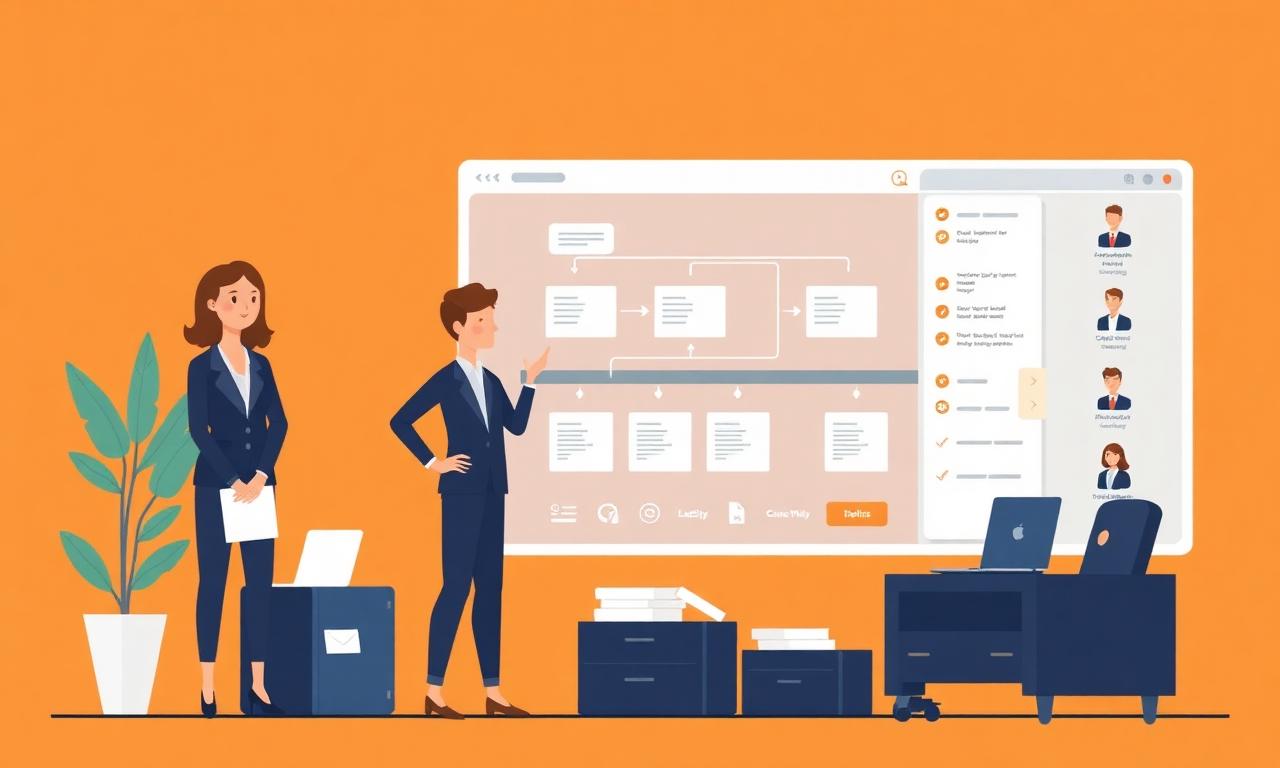
The distinction between workflow management software that records activity and software that governs delivery is significant. The difference is not how work is visualized, but how it is controlled.
The following capabilities define what that difference looks like in practice.
Configurable workflows that reflect your process
Enterprise project environments do not follow generic templates. They have specific phase structures, approval sequences, and transition criteria that vary by project type, business unit, or regulatory context.
Workflow management software for enterprise use must allow these structures to be configured - not approximated. This means defining which stages exist, what criteria must be met before a transition occurs, who has authority to approve each stage, and what documentation is required at each point.
Configuration is not a setup exercise. It is an ongoing capability that allows the workflow to evolve as the organization's processes mature.
Gate and approval controls embedded in the workflow
In governance-driven environments, workflow transitions are not automatic. They are decisions - requiring evidence, authorization, and a record of the rationale.
This is where workflow management connects directly to Stage-Gate governance. Gate criteria, phase transitions, and approval sequences are all workflow events. When workflow management is disconnected from gate control, governance becomes ceremonial - documented in parallel rather than enforced in practice.
Effective enterprise workflow management embeds gate logic into the workflow itself. A phase does not advance until the defined criteria are met and the appropriate authority has formally approved the transition.
Role-based visibility and access
Not everyone involved in a project should see everything, or be able to act on everything. Workflow management in enterprise environments requires structured access control - ensuring contributors see their tasks, reviewers see what requires their decision, and leadership sees the governance view without operational noise.
Role-based access is not just a security requirement. It is what makes workflow governance scalable across large organizations with multiple teams, divisions, and approval hierarchies.
Audit trail and decision traceability
When a decision is questioned - by internal audit, by a regulatory body, or by a board - the answer cannot be a collection of email threads and status snapshots. It needs to be a structured record: what was approved, by whom, on what basis, and when.
Decision traceability is increasingly a governance requirement, not an optional feature. Workflow management software that does not produce a reliable audit trail creates exposure every time a significant decision needs to be defended.
Integration with resource and financial data
Workflow progression without resource visibility produces the most common enterprise failure mode: work advances through stages that cannot be resourced at the pace the workflow implies.
Enterprise workflow management must be connected to resource and capacity data. Before a workflow transition is approved, the capacity required for the next stage should be visible and confirmed. This connection is what separates workflow management that governs delivery from workflow management that simply records it.
Cross-project workflow visibility
In multi-project environments, no initiative exists in isolation. Shared resources, sequential dependencies, and portfolio-level sequencing mean that workflow decisions in one project affect the delivery reality of others.
Enterprise workflow management requires visibility across projects - not just within them. This includes shared milestone tracking, dependency mapping, and the ability to identify where workflow bottlenecks in one initiative are creating constraints elsewhere in the portfolio.
Where workflow management connects to portfolio governance
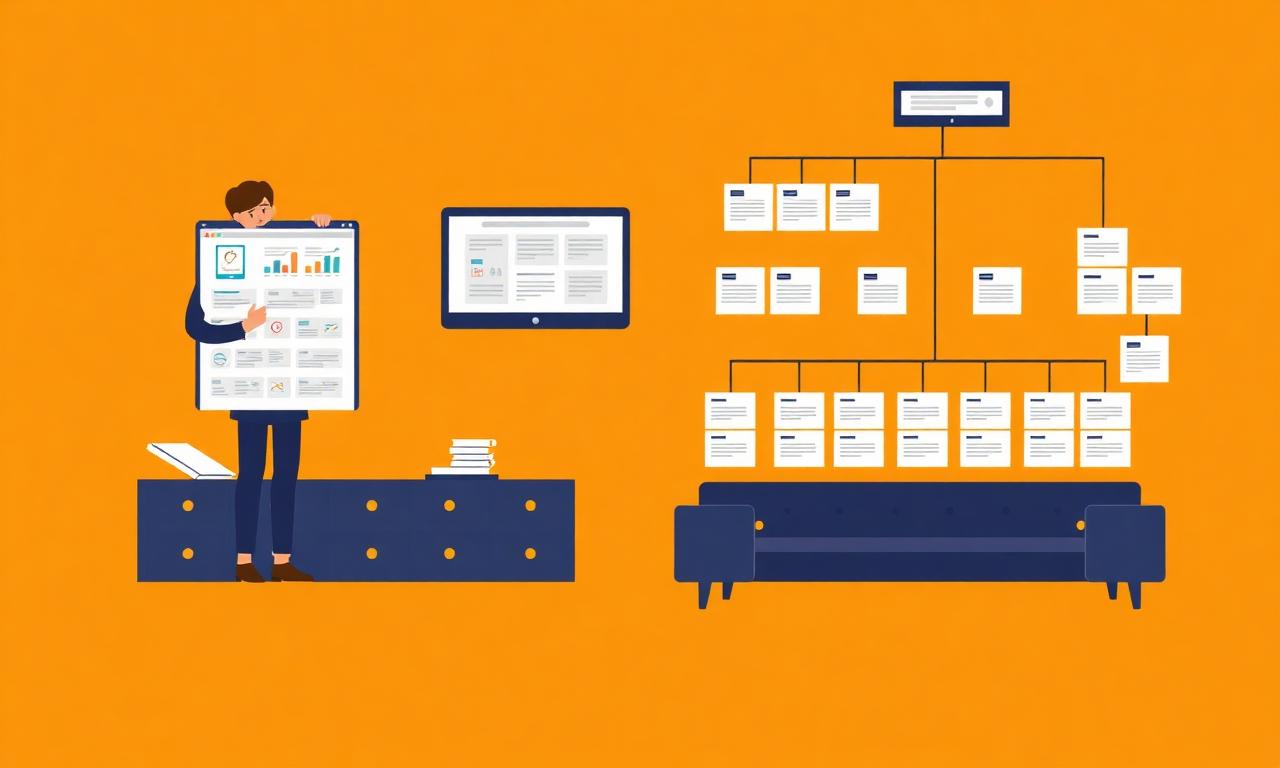
Workflow management and portfolio management operate at different levels, but they are not independent.
Portfolio governance determines which initiatives are approved and how resources are allocated across them. Workflow management governs how those initiatives progress through delivery. When workflow discipline is weak at the project level, the consequences appear at the portfolio level - delayed gates, resource conflicts that were not anticipated, and dependencies that surface too late to manage.
The reverse is also true. When portfolio decisions are made without visibility into workflow status across active projects, prioritization becomes disconnected from delivery reality. New initiatives are approved without understanding the pressure already in the system.
Strong workflow management creates the conditions for reliable portfolio oversight. Strong portfolio governance creates the clarity that allows workflow management to function predictably. The two disciplines reinforce each other - and software that treats them as separate functions introduces a structural gap that governance processes cannot close.
Evaluating workflow management software: questions to ask
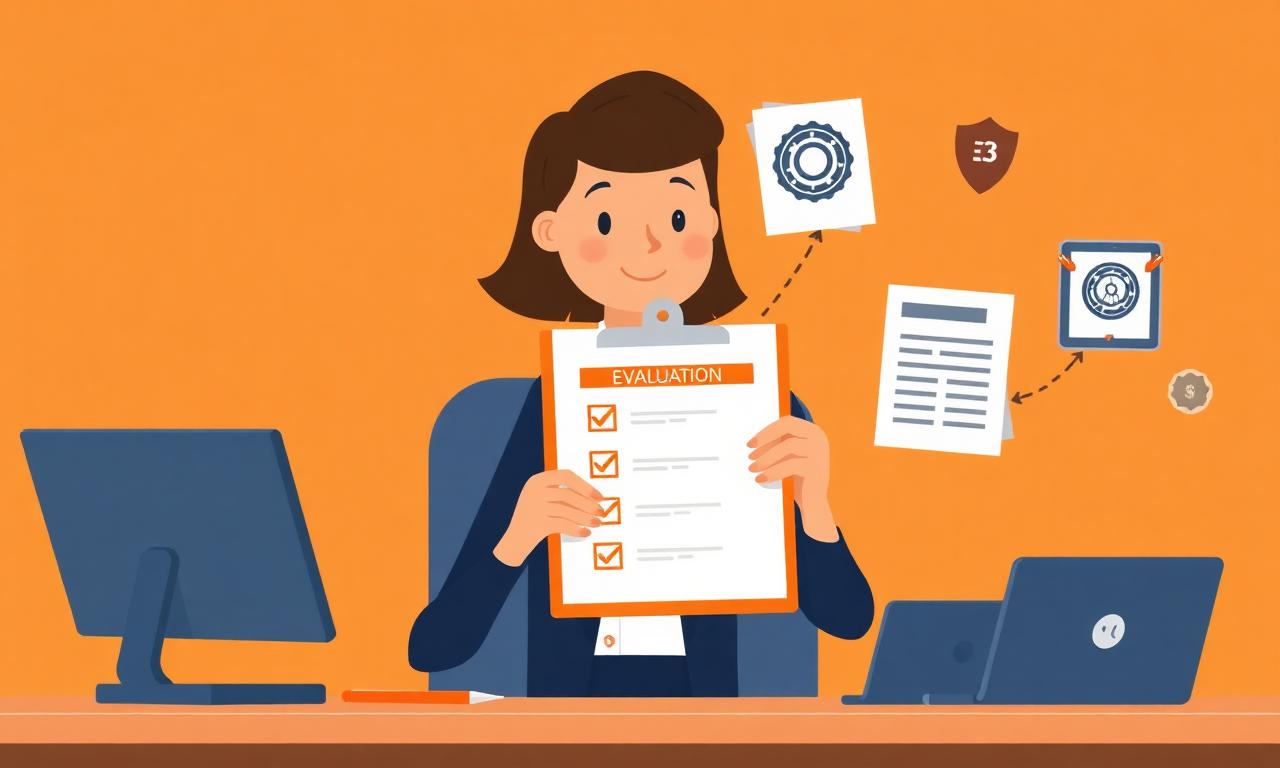
When assessing workflow management software for an enterprise project environment, the following questions surface the capabilities that matter most.
On configurability:
- Can workflow stages and transition criteria be configured to match our specific process - or are we adapting our process to fit the tool's defaults?
- Can different project types have different workflow structures within the same system?
On governance:
- Does the system enforce stage transitions - preventing advancement until defined criteria are met - or does it only record that a transition occurred?
- Is there a structured approval mechanism with documented rationale, or is approval tracked informally?
On auditability:
- Does the system produce a structured decision history that can be retrieved for audit or governance review?
- Are plan changes, approval decisions, and stage transitions traceable over time?
On resource integration:
- Is resource availability visible within the workflow - before transitions are approved?
- Can the system flag capacity constraints before a stage commitment is made?
On cross-project visibility:
- Is it possible to see workflow status across multiple projects simultaneously?
- Are inter-project dependencies and shared milestones visible within the workflow view?
On access control:
- Can visibility and action rights be configured by role, team, or governance level?
- Is there separation between contributor access, reviewer access, and executive oversight?
How Cerri Project approaches workflow management
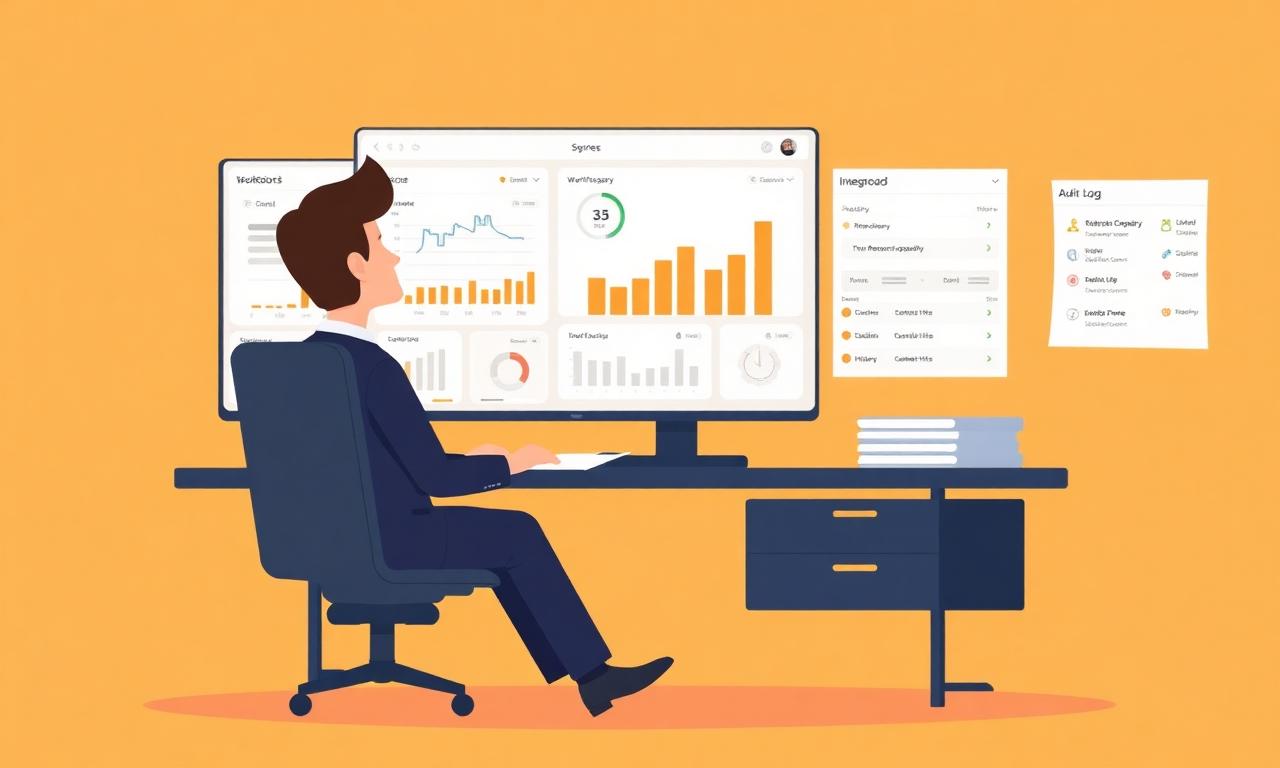
Cerri Project treats workflow management as an embedded governance layer - not a separate module or an add-on to project tracking.
Workflows are configurable by project type, reflecting the specific phase structures, approval sequences, and transition criteria that apply to each category of work. Gate logic is embedded in the workflow itself, ensuring that governance decisions and delivery progress operate from the same system of record rather than being reconciled after the fact.
Resource and financial data are integrated into the workflow view, so transition decisions reflect current delivery reality. Decision history is maintained as a structured audit trail - accessible when governance review requires it, without manual preparation.
For organizations managing multiple initiatives simultaneously, cross-project workflow visibility is available at the portfolio level - connecting the workflow governance of individual projects to the broader portfolio oversight function.
Workflow management and demand management: the upstream connection

Workflow management governs how approved work moves through delivery. But the quality of that delivery is shaped by decisions made earlier - at the point where work is evaluated, prioritized, and committed to.
When demand management is weak, workflow management operates under constant pressure. Initiatives enter execution without validated capacity. Dependencies are not mapped. Resource conflicts that should have been resolved before approval appear as workflow bottlenecks during delivery.
Strong demand management creates the conditions for effective workflow governance. When work enters the pipeline with clear scope, assigned resources, and realistic timelines, workflow management is more straightforward. When it does not, workflow management is continuously absorbing the consequences of earlier decisions.
For a detailed treatment of how to structure demand decisions before they reach the workflow stage, see Project Demand Management: How to Prioritize the Right Initiatives.
Conclusion
Workflow management software is not a productivity tool. It is a control system. In enterprise project environments, it is a governance instrument - the mechanism through which decisions are enforced, transitions are controlled, and delivery accountability is maintained.
The gap between tools that record workflow activity and tools that govern it is significant. Organizations that close that gap operate with more predictable delivery, more defensible decisions, and more reliable portfolio oversight.
The right question when evaluating workflow management software is not whether it can track task status. It is whether it can enforce the process, surface the right information at the right time, and produce the evidence trail that governance requires.
That is the standard enterprise project environments need to hold their tools to. Most do not meet it. The ones that do are worth the evaluation.
How useful was this article?
Get enterprise PM insights, no noise
A bi-monthly briefing on Stage-Gate governance, portfolio management, and enterprise delivery best practices.
No spam. Unsubscribe anytime.
Prefer video? Watch on YouTube
Walkthroughs, Stage-Gate demos, and manufacturing PM best practices on our channel.