How purpose-built stage-gate project management software is replacing spreadsheets, email chains, and generic PM platforms in complex project environments.
When your process outgrows your tools

Most organizations that use a Stage-Gate approach did not set out to implement it badly. They started with spreadsheets, shared drives, and a handful of reliable templates - and for a while, it worked.
Then portfolios expanded. More teams became involved. Gate reviews became harder to standardize and harder to trace. Leadership started asking questions no one could answer quickly: which projects are actually on track, where are the bottlenecks, and which initiatives still justify continued investment?
At that point, the problem is rarely the Stage-Gate process itself. It is the infrastructure being used to run it.
This article is for product development leaders, PMO managers, operations directors, and program managers who are already running - or planning to implement - a Stage-Gate approach, and need to understand what modern stage-gate software actually does, why it matters at scale, and how to choose the right platform for their environment.
What is the Stage-Gate process?
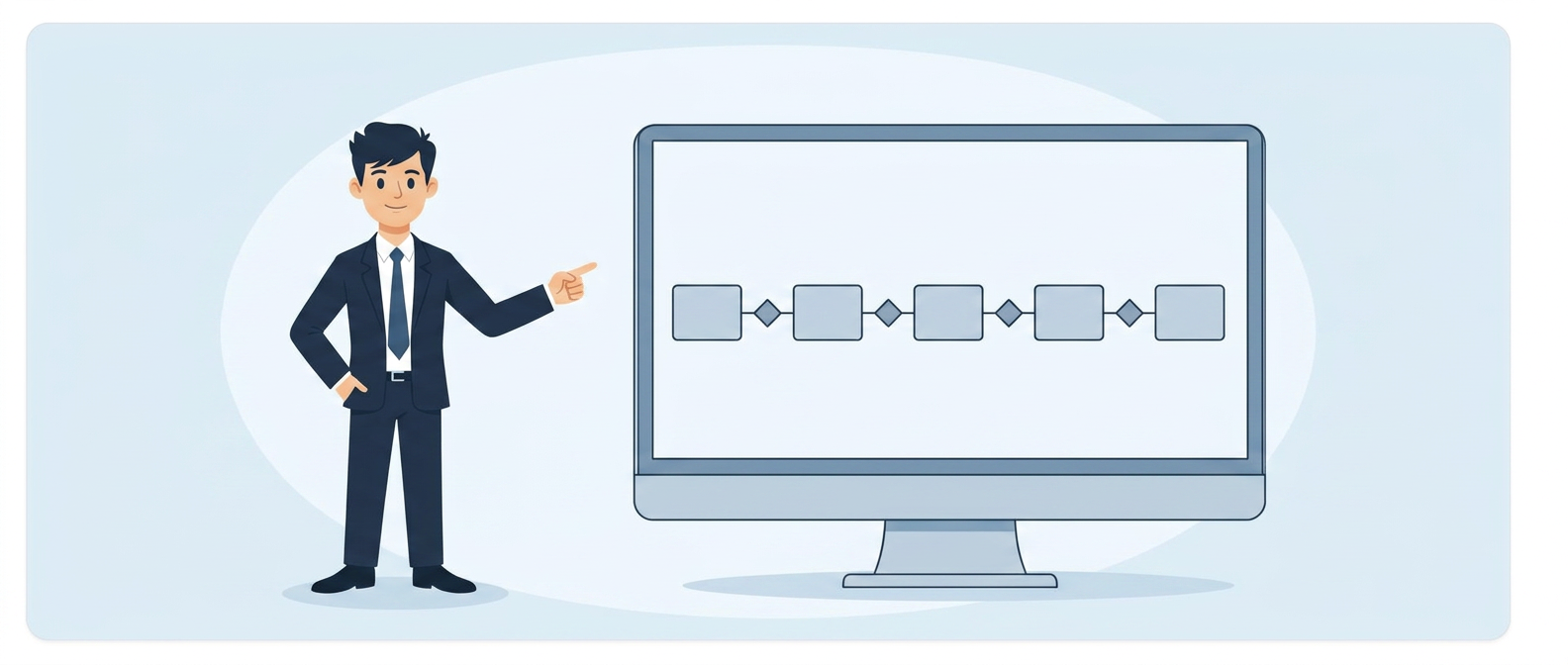
The Stage-Gate process - also referred to as the phase-gate approach - is a structured methodology in which projects move through defined development stages, each separated by a formal decision point where stakeholders evaluate progress before authorizing the next phase. Originally developed for new product development, it is now widely applied across manufacturing, pharmaceuticals, engineering, capital project delivery, and infrastructure.
The discipline works well. The challenge, as organizations scale, is sustaining it without the right systems in place.
Why generic project management tools break down
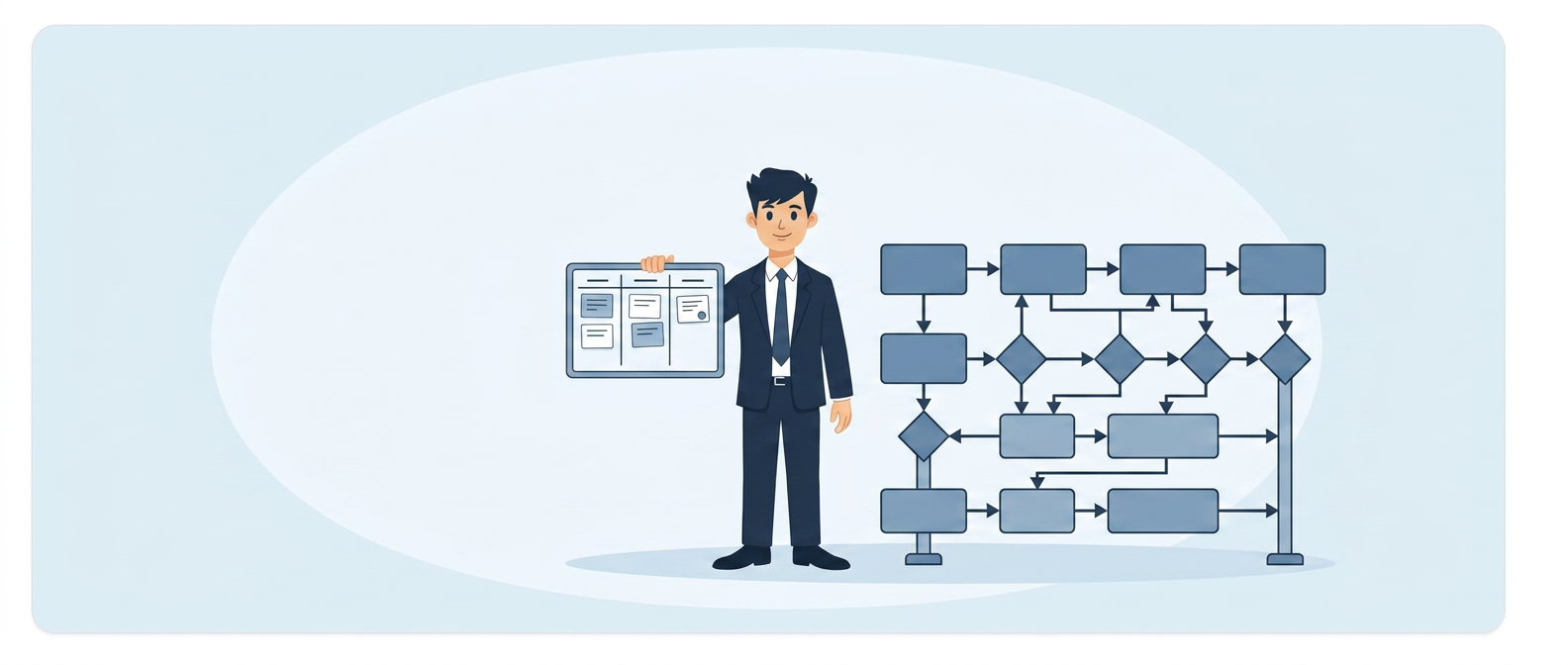
The honest answer is that generic PM tools can handle Stage-Gate - up to a point. But as portfolios grow, the gaps become harder to ignore: gate reviews lose consistency without structured evaluation frameworks, documentation fragments across systems, portfolio visibility degrades, and approval accountability becomes difficult to trace. These are not task management problems. They are governance problems - and they require a different kind of system.
What stage-gate software actually does
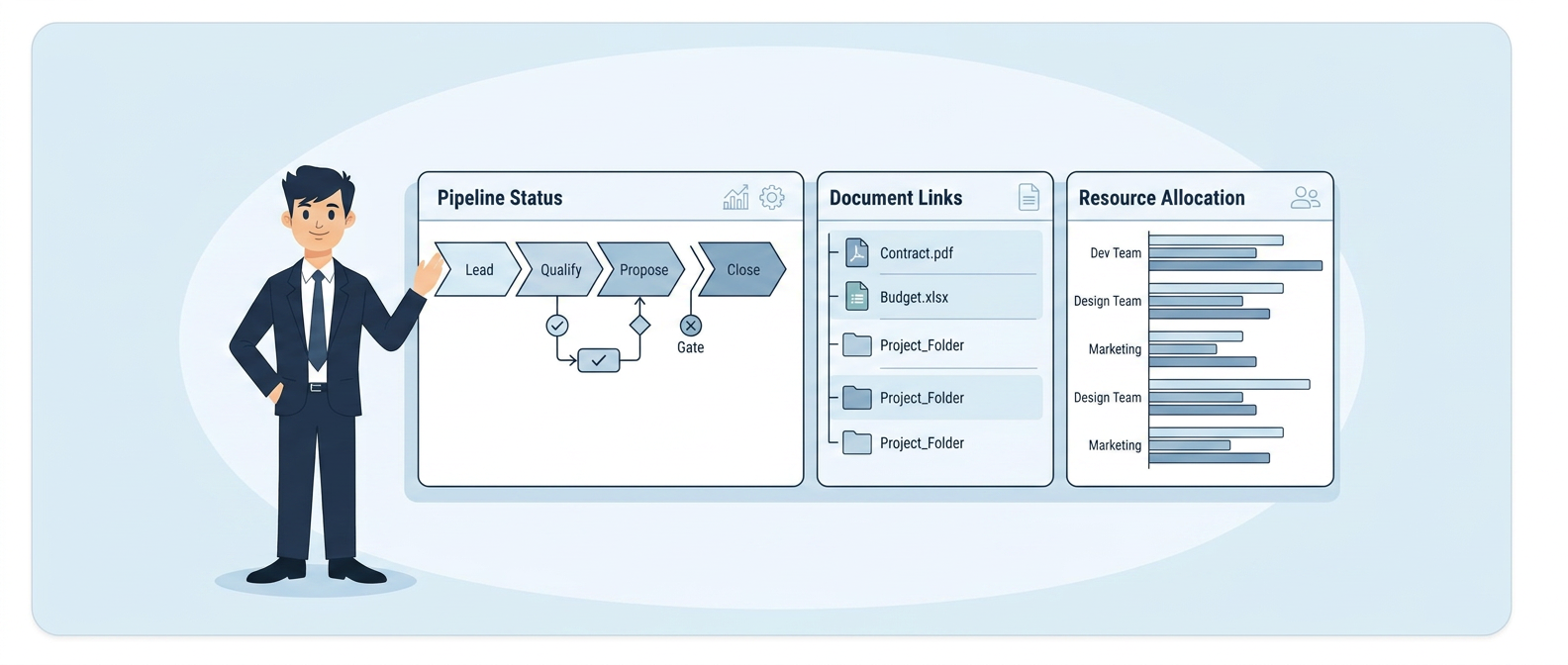
Stage-gate software is purpose-built to operationalize Stage-Gate workflows across projects, product pipelines, and investment portfolios. Rather than simply adding approval checkpoints to a task management system, it is designed around the governance, visibility, and decision-support requirements that define the stage-gate approach. In practice, it functions as both gate review software and product development software - managing not just the approval process at each gate, but the broader development lifecycle that connects them.
The core capabilities worth evaluating when selecting a platform fall into five areas.
1. Configurable stages and gate structures
Different organizations run Stage-Gate or phase-gate processes differently. A pharmaceutical company managing drug development will have very different stage definitions, gate criteria, and compliance requirements than an automotive supplier managing product engineering or a manufacturer overseeing capital investment approvals.
Effective stage-gate software provides flexibility in how stages are defined, how gate criteria are structured, what deliverables are required at each review, and how approval workflows are configured. Platforms that force organizations into a rigid pre-built model often end up being worked around rather than genuinely adopted.
2. Structured gate reviews and approval workflows
This is the operational core of any stage-gate platform. The system should support formal gate review scheduling, structured evaluation against defined criteria, documented approval decisions with rationale, and a full audit trail of who approved or rejected what and when.
In regulated industries, this capability is not optional. It is a compliance requirement.
But even outside regulated environments, documented decision history is what enables organizations to learn from past gate decisions, identify patterns in what gets approved, and hold gatekeepers accountable over time.
This also helps organizations standardize workflows across business units, regions, and product teams without relying on disconnected manual processes.
3. Centralized document management
Stage-gate software should provide a single location where all project documentation is stored, versioned, and linked to specific gate stages. Business cases, feasibility studies, technical specifications, financial models, compliance records, meeting notes, and approval documents should all be accessible from within the project record.
This eliminates the pre-review consolidation effort that consumes significant time in most organizations running manual processes, and ensures that gatekeepers are working from current, complete information rather than assembled patchworks of documents from multiple systems.
4. Portfolio visibility and resource planning
Leadership teams need a reliable view across the portfolio, not just into individual projects. Modern stage-gate software typically includes dashboard and portfolio views that show where each initiative sits in the gate process, how it is performing against key metrics, what risks are emerging, and how it compares to other investments.
Increasingly, platforms are also integrating resource and capacity planning capabilities. This matters because one of the most common failure modes in Stage-Gate environments is approving more projects than the organization has capacity to deliver. Portfolio visibility without resource context can lead to optimistic gate decisions that create downstream delivery failures.
5. Reporting and dashboard capability
PMOs, executive teams, and gatekeepers need reliable access to project and portfolio performance data without manually consolidating information from multiple sources. Effective reporting capabilities allow organizations to monitor gate progression, portfolio health, resource utilization, budget status, and strategic alignment in near real time.
The ability to see and share this information quickly is what enables faster, better-informed gate decisions - which is ultimately the point of the whole system.
Stage-gate software across different sectors
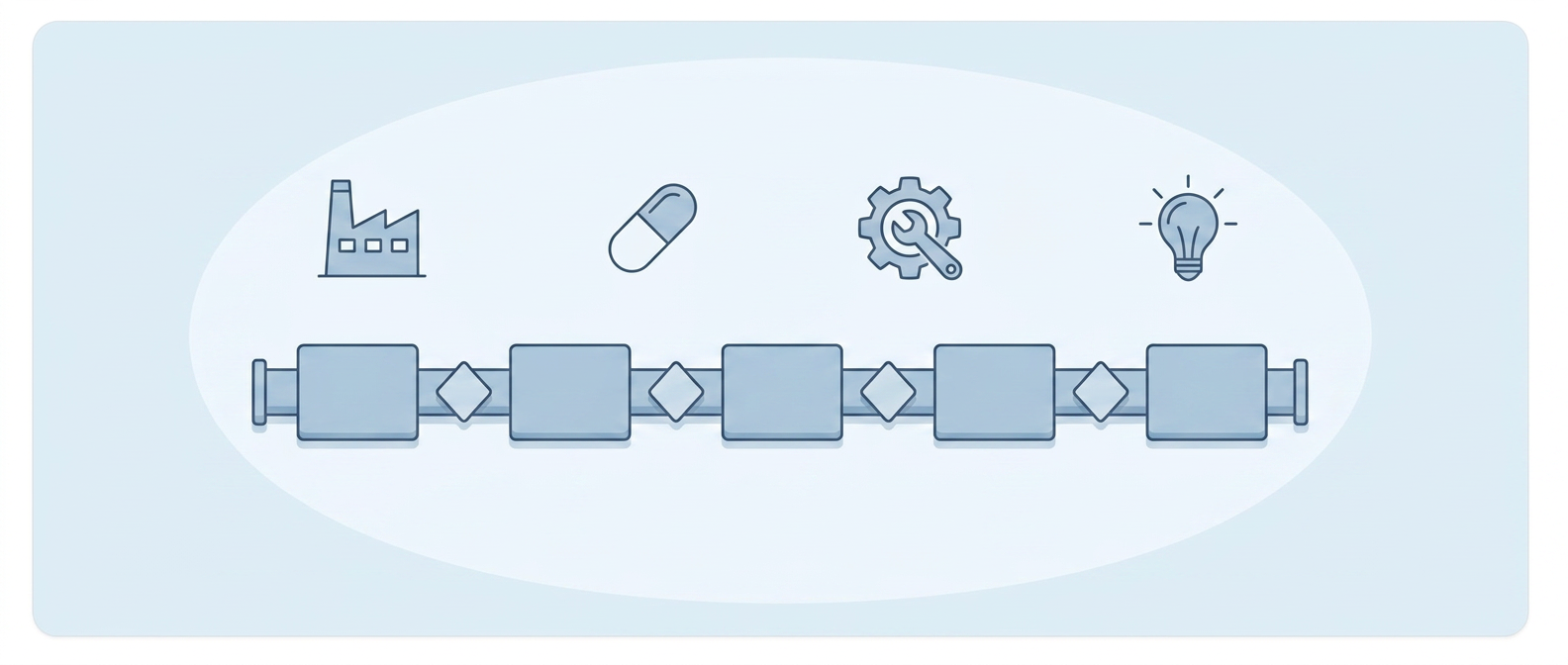
While the Stage-Gate approach has its roots in new product development, the application of stage-gate software today extends across a broad range of industries and project types.
Manufacturing and industrial product development
Manufacturing organizations typically use Stage-Gate frameworks to govern product development programs, engineering changes, plant upgrades, automation investments, and capital expenditure approvals. The cross-functional complexity of these projects - spanning engineering, procurement, operations, finance, and quality - makes centralized governance and documentation particularly valuable.
Pharmaceutical and life sciences
In pharmaceutical and medical device environments, the stage-gate approach maps closely onto the regulated development and approval processes that govern these sectors. Stage-gate software in these environments must support stringent documentation requirements, validation activities, quality review processes, and audit readiness as fundamental capabilities rather than optional extras.
Engineering, CAPEX, and infrastructure
Capital project delivery environments - facility expansions, infrastructure programs, industrial transformation projects - involve large financial commitments, long delivery cycles, and multiple stakeholder groups. Stage-gate structures provide a governance framework for investment decisions at each development phase, from concept through to execution authorization. Software support is what makes this governance consistent and traceable at scale.
Innovation and new product development
For NPD and innovation teams, the Stage-Gate process provides a structured mechanism for evaluating ideas, validating commercial assumptions, managing technical risk, and preparing for launch. As innovation portfolios scale, software becomes essential for maintaining consistency across gate reviews, enabling meaningful cross-project comparison, and preventing the well-documented tendency for too many projects to receive approval and too few to be stopped at the right time.
What to look for when evaluating stage-gate software
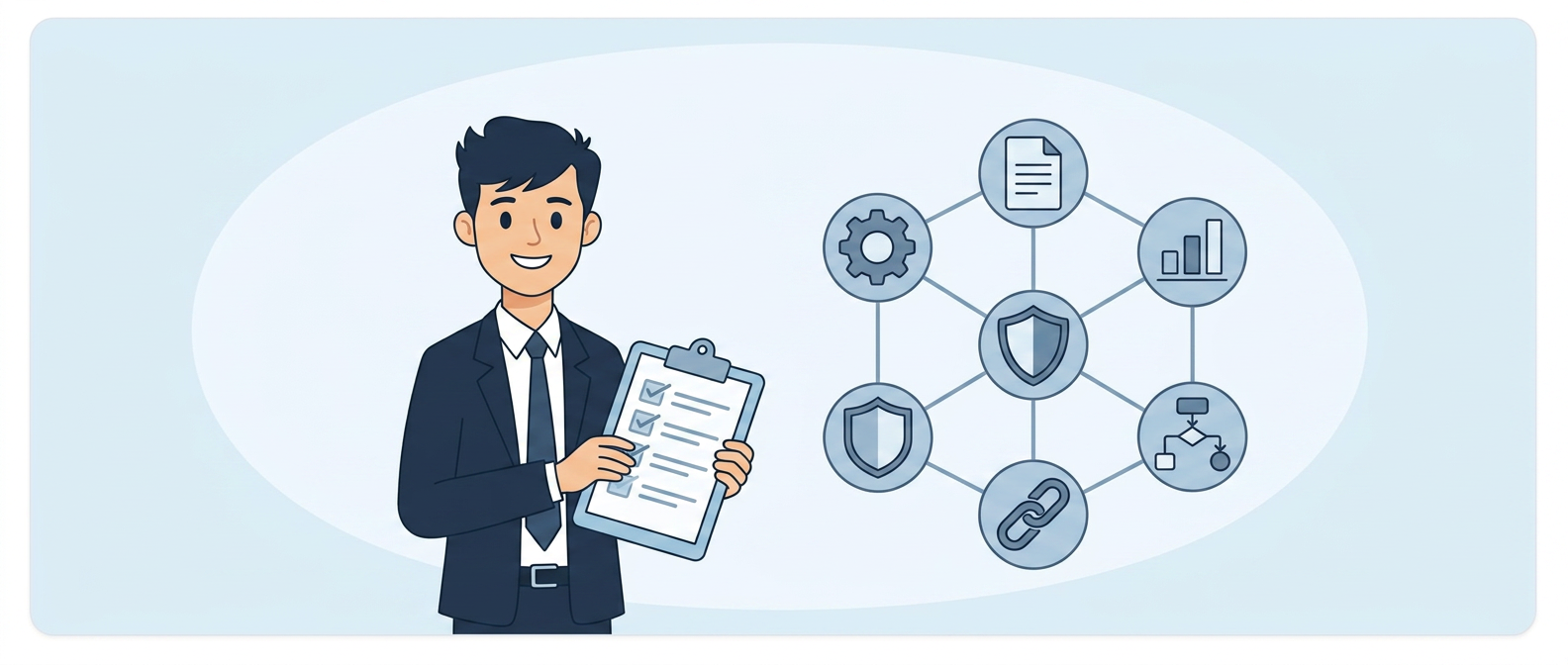
Not all stage-gate management software platforms are built to the same standard. When evaluating options, these are the questions worth asking before committing to a vendor.
- Does it support your specific process, or will you need to adapt to fit the software? Configurability of stages, gate criteria, and approval workflows should be non-negotiable - platforms that require significant process compromise at the outset will generate friction and workarounds over time.
- How does it handle documentation and version control? Ask vendors to demonstrate how documents are stored, linked to gate stages, and version-managed - this becomes critical in regulated environments.
- Can it support portfolio-level visibility, not just individual project tracking? Many platforms are stronger at project execution than portfolio governance, so test this specifically rather than taking it on faith.
- What does the approval and audit trail actually look like? Request a demonstration of a completed gate review record - who approved, when, against what criteria, and what was attached. If it is unclear in the demo, it will be unclear in practice.
- How does it scale with your organization? A platform that works well for 10 projects may behave very differently at 50 - ask about performance and governance across multiple business units or geographies if relevant.
- What does implementation actually involve? Understand the configuration effort, the vendor's onboarding support model, and realistic timelines before go-live - particularly if migrating from manual processes.
Common mistakes when implementing stage-gate software
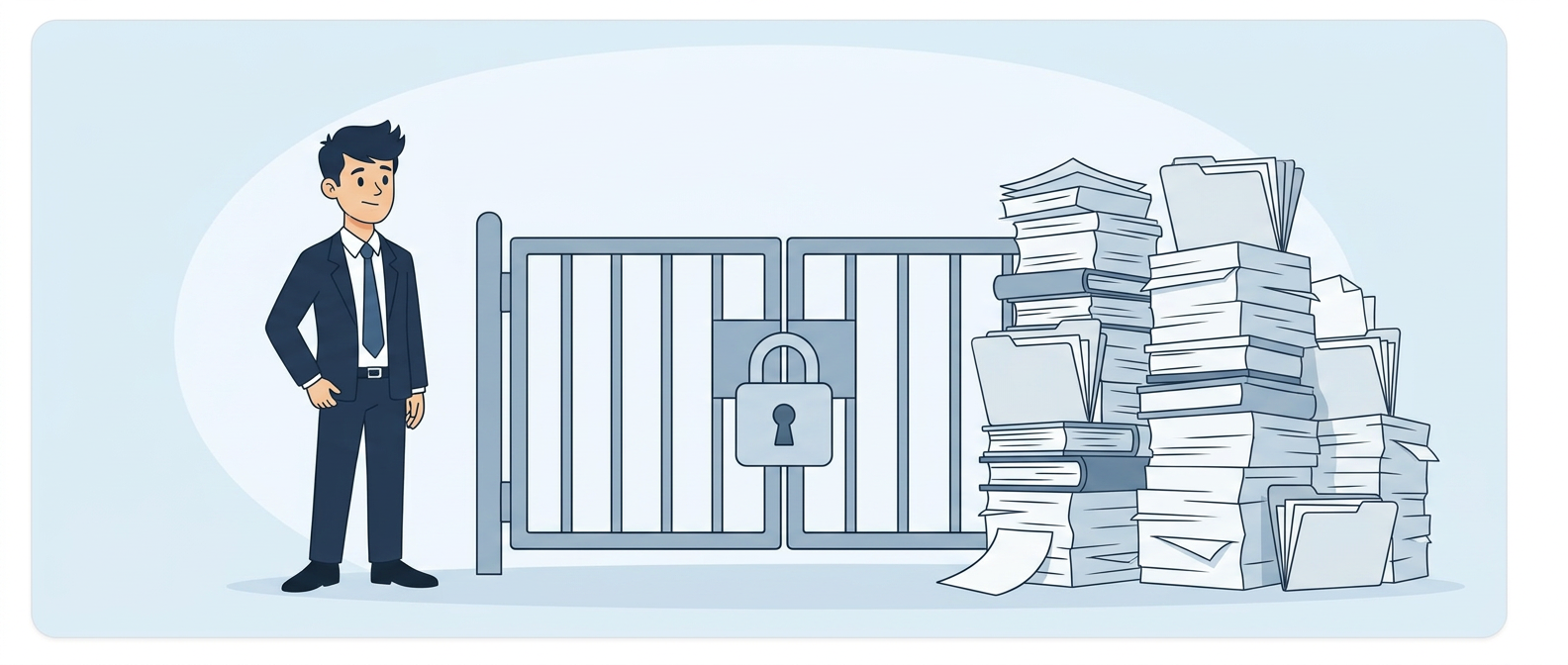
The most expensive stage-gate implementations are usually the ones where the technology arrived before the process was ready. Organizations that treat implementation as primarily a technology project tend to encounter predictable problems.
Digitizing a broken process
If gate criteria are poorly defined, approval responsibilities are ambiguous, or decision-making culture is weak, software will not fix the underlying problem. It will make the problem more visible, and in some cases harder to ignore - but the process design work must come first, or alongside the implementation, not after.
Letting Stage-Gate become an administrative exercise
In some organizations, Stage-Gate gradually becomes a reporting and documentation exercise rather than a genuine decision framework. Teams prepare extensive gate packs; gatekeepers approve most projects most of the time; the process loses its teeth.
The purpose of the Stage-Gate approach is to improve the quality and consistency of investment and development decisions throughout the project lifecycle. Stage-gate software should support that purpose - not create additional overhead that makes the governance process feel like a bureaucratic hurdle.
Building workflows that are too rigid
Standardization across gate reviews is valuable. But forcing every project through an identical process regardless of its scale, complexity, or risk profile creates unnecessary friction and encourages teams to work around the system rather than with it.
Successful Stage-Gate environments apply proportionality: more rigorous governance for higher-risk, higher-investment initiatives; lighter-touch processes for smaller or lower-complexity projects. Stage-gate software should support this kind of tiering.
Underestimating the importance of executive ownership
Stage-gate software can surface information, structure workflows, and create accountability records. It cannot replace genuine executive engagement with gate decisions.
Organizations that implement stage-gate platforms without securing meaningful leadership commitment to the process tend to find that gate reviews become procedural rather than strategic. Gates that are always approved, regardless of the evidence presented, offer no governance value.
Final thoughts
The Stage-Gate approach remains one of the most effective frameworks available for managing complex project and product development portfolios. It brings discipline to investment decisions, structure to development workflows, and clarity to cross-functional governance.
Managing that process at scale, however, requires more than good intentions and well-designed templates. As portfolios grow and governance requirements increase, spreadsheets and generic project management tools create the fragmentation, inconsistency, and visibility gaps that undermine the very discipline Stage-Gate is meant to provide.
Purpose-built stage-gate process software closes that gap. Not by automating away the need for good judgement - gate decisions still require experienced people engaging seriously with the evidence - but by creating the structured operational environment in which that judgement can be applied consistently and accountability can be maintained across the portfolio.
For organizations that are serious about running their Stage-Gate process properly, the question is rarely whether to move to dedicated software. It is which platform best fits their process, their industry, and the scale at which they operate. The longer that question goes unanswered, the more decisions get made inconsistently, the more projects advance that shouldn't, and the more value the portfolio quietly loses.
How useful was this article?
Get enterprise PM insights, no noise
A bi-monthly briefing on Stage-Gate governance, portfolio management, and enterprise delivery best practices.
No spam. Unsubscribe anytime.
Prefer video? Watch on YouTube
Walkthroughs, Stage-Gate demos, and manufacturing PM best practices on our channel.