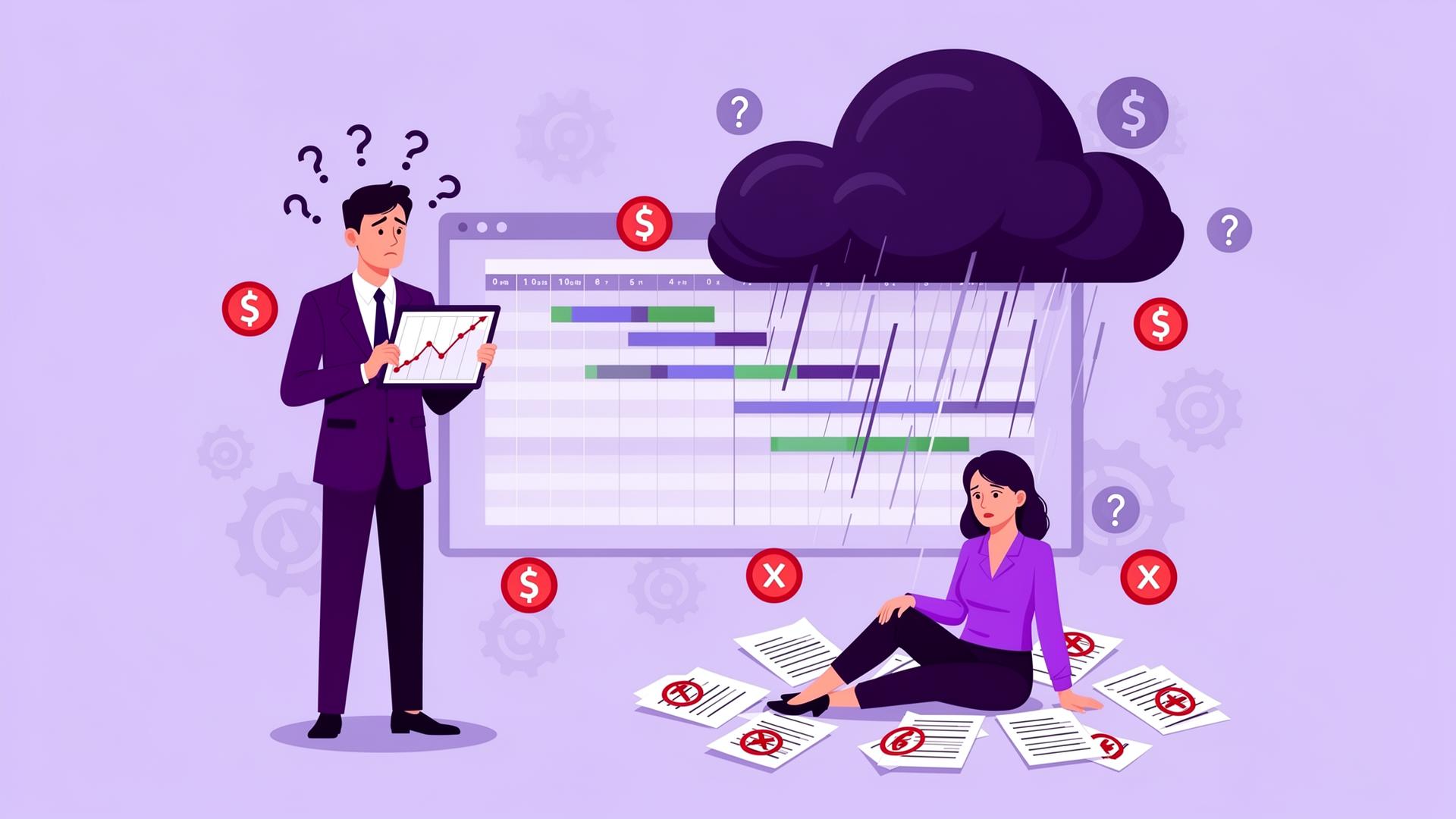
Poor project visibility doesn't just cause delays, it erodes trust, wastes resources, and leads to strategic misalignment across the portfolio.
Projects need accurate information to run smoothly. However, many organizations still struggle with project visibility issues caused by incomplete, outdated, or scattered data. When teams can't see what's truly happening in their projects, budgets slip, risks go undetected, and decisions slow down. Leaders end up steering portfolios based on assumptions rather than facts.
The root cause is almost always the same: bad project data. As information becomes fragmented across spreadsheets, tools, and departments, visibility breaks down. Costs rise, execution slows, and project outcomes suffer – often without anyone realizing that data quality is the real issue.
In this article, we break down the hidden cost of project visibility issues. We also look at how bad project data leads to poor decisions and what to do about it.

1. What Causes Project Visibility Issues
Project visibility issues rarely stem from a single failure. The way teams capture, manage, and share project data leads to its emergence. The factors below represent the main structural causes that lead to questionable or incomplete visibility.
- Fragmented tools and disconnected systems – When planning, time tracking, documents, and risks all live in different tools, visibility breaks down immediately. No unified data model = no reliable reporting.
- Heavy reliance on spreadsheets and manual reporting – Excel is flexible, but it can't support dynamic project environments. Version chaos, outdated entries, and manual consolidation produce inconsistent or stale information.
- Inconsistent processes and terminology across teams – If departments define phases, tasks, risks, or deliverables differently, data becomes hard to compare – making cross-project reporting unreliable.
- No clear ownership of data quality – Without governance, no one validates whether project data is complete, timely, or accurate. Small inconsistencies compound into major visibility issues.
- Siloed communication and ad-hoc updates – Critical project updates often live in email threads, chat messages, or personal notes instead of the system of record.
- Frequent changes not reflected in systems – Schedules shift, priorities evolve, and constraints change rapidly. When teams don't update tools in real time, visibility lags behind reality.
2. Why Project Visibility Issues Are More Common Than Ever
Even organizations with mature processes are facing growing visibility challenges, largely because of shifts in the modern project environment.
- The volume-complexity paradox – Teams now produce massive amounts of project data – but across more channels, platforms, and formats than ever before.
- Faster project cycles and increased change – Agility in the market means timelines, requirements, and dependencies shift quickly.
- Distributed and cross-functional teams – Hybrid work and global collaboration introduce more handoffs, more communication channels, and more places where data can go missing.
- Greater pressure for governance and transparency – Regulated industries, cost-sensitive sectors, and innovation programs all require reliable reporting.
3. The Hidden Costs of Project Visibility Issues
Project visibility issues carry significant hidden costs that weaken performance long before they surface. While the symptoms vary, they all stem from decisions made with incomplete, outdated, or inconsistent data.
Cost overruns driven by outdated or inaccurate data
When teams don't update project data in real time, financial visibility becomes reactive. Teams spot budget issues late, rely on outdated assumptions, and miss early cost warning signs. Common examples include: forecasts based on month-old numbers, resource costs not updated after scope changes, and time entries logged inconsistently across teams.

Slower decisions caused by fragmented information
When decisions require gathering information from multiple systems, files, or people, the organization immediately loses speed. Leaders end up questioning which version is correct, why numbers differ between departments, or where the latest timeline is. Decision cycles stretch from hours to days – and sometimes weeks – directly affecting delivery and responsiveness.

Compliance and audit challenges from inconsistent records
In regulated industries such as finance, pharmaceuticals, energy, and manufacturing, incomplete project data can turn into serious compliance risks. Without a traceable, reliable data trail, teams spend enormous time preparing for audits or explaining gaps after the fact. Key issues include: missing approvals, untracked changes, no documented rationale for decisions, and version conflicts in controlled documents.
Poor prioritization and portfolio misalignment
When visibility across projects is inconsistent, leadership cannot confidently prioritize initiatives or allocate resources. Organizations make strategic choices based on assumptions rather than evidence. This leads to overloaded teams, investment in low-value projects, insufficient support for high-impact initiatives, and inaccurate reporting of ROI or risk.

Reactive project management instead of proactive control
With clean, real-time data, teams can predict risks, identify bottlenecks, and take corrective action early. With poor visibility, issues surface only when they have already escalated, driving up stress, rework, project firefighting, and overall delivery uncertainty.

Diminished stakeholder confidence
Executives, customers, and partners lose trust when reports regularly conflict or when project status cannot be explained with certainty. Inconsistent visibility erodes confidence in the organization's ability to deliver – which can impact renewals, revenue, and long-term relationships.

4. Why Traditional Tools Fail to Solve Project Visibility Issues
Many organizations assume they have enough tools – spreadsheets, shared drives, communication apps, task managers, or departmental systems – but these tools rarely solve visibility problems. In many cases, they actually create or amplify them. Visibility isn't just about data – it's about the context around data.
The Excel Problem: Flexible but essentially flawed
Excel is powerful for calculations and one-off plans – but it cannot support modern project management needs. Its limitations directly contribute to visibility gaps: static data that quickly becomes outdated, no real-time updates or syncing, version conflicts across teams, inconsistent structures and naming, no workflow or approval tracking, and difficult cross-project consolidation.
Tool Sprawl: Every team using something different
As organizations grow, they accumulate tools instead of consolidating them. Each department adopts its own platform, forcing PMs to navigate several systems at once. This fragmentation leads to conflicting datasets, information buried in system silos, costly manual cross-checking, and decisions made on incomplete pictures.
Disconnected workflows and missing context
Even when teams use digital project tools, workflows often live outside them. Approvals happen by email, discussions in chat apps, risk updates in meetings, and documents in personal folders. This disconnect results in decisions without recorded context, missing audit trails, and gaps in compliance documentation.

5. The Four Pillars of Reliable Project Visibility
Fixing project visibility issues isn't about adding more tools or reports – it's about building the right foundations. Organizations that consistently maintain accurate visibility share four structural elements that enable clarity, speed, and confident decision-making.
Pillar 1: A Single source of truth
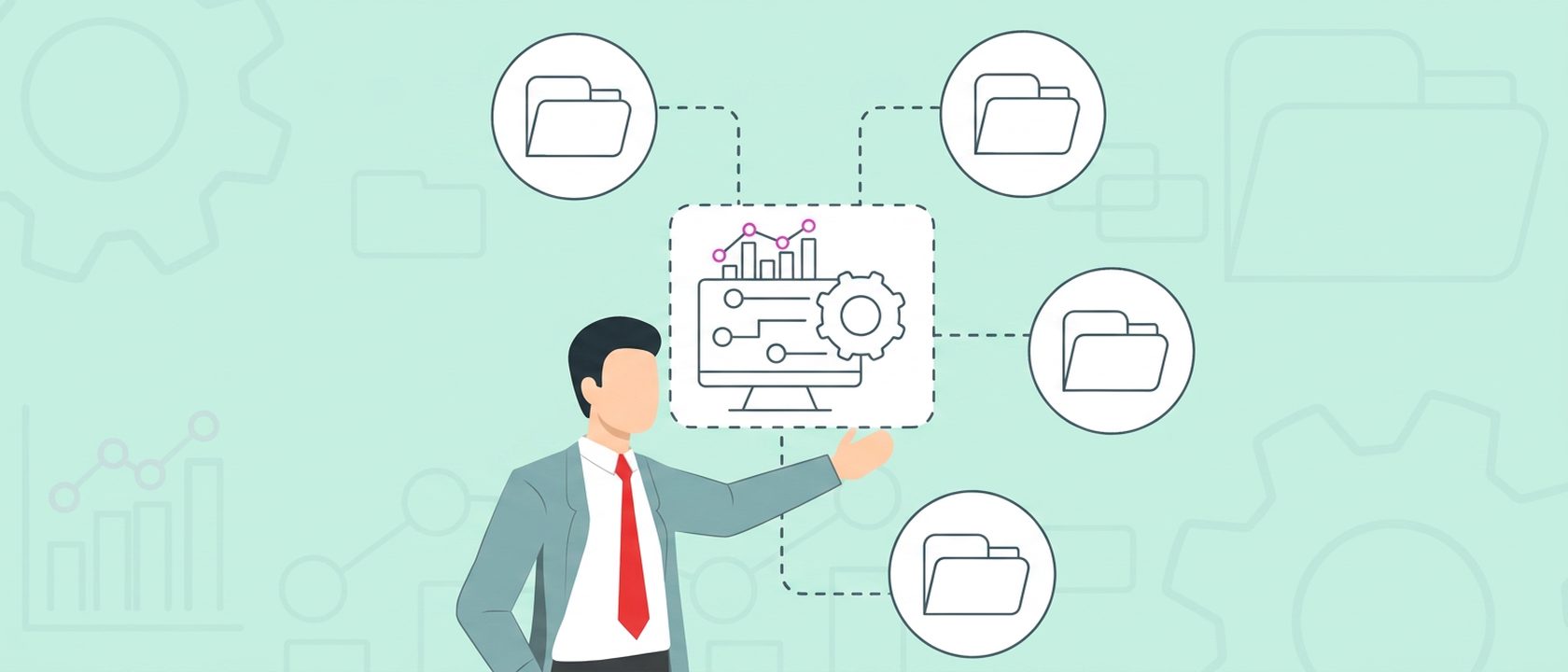
Reliable visibility begins by centralizing all key project data. This includes schedules, tasks, budgets, risks, documents, approvals, and resource plans. A single source of truth eliminates conflicting versions, manual cross-checking, siloed updates, and reporting discrepancies.
Pillar 2: Real-time data flow and automated workflows
Visibility loses value when information lags behind reality. To support fast, accurate decisions, project data must update as work happens, not days or weeks later. Real-time workflows ensure approvals trigger automatically, status updates reflect actual progress, and alerts surface issues before they escalate.
Pillar 3: Standardized processes and data structures
Even the best tools fail when teams work with inconsistent definitions. Visibility depends on everyone capturing and interpreting information the same way. Standardization ensures data is comparable across projects, departments, and regions – strengthening both project-level and portfolio-level visibility.
Pillar 4: Portfolio dashboards and predictive insights
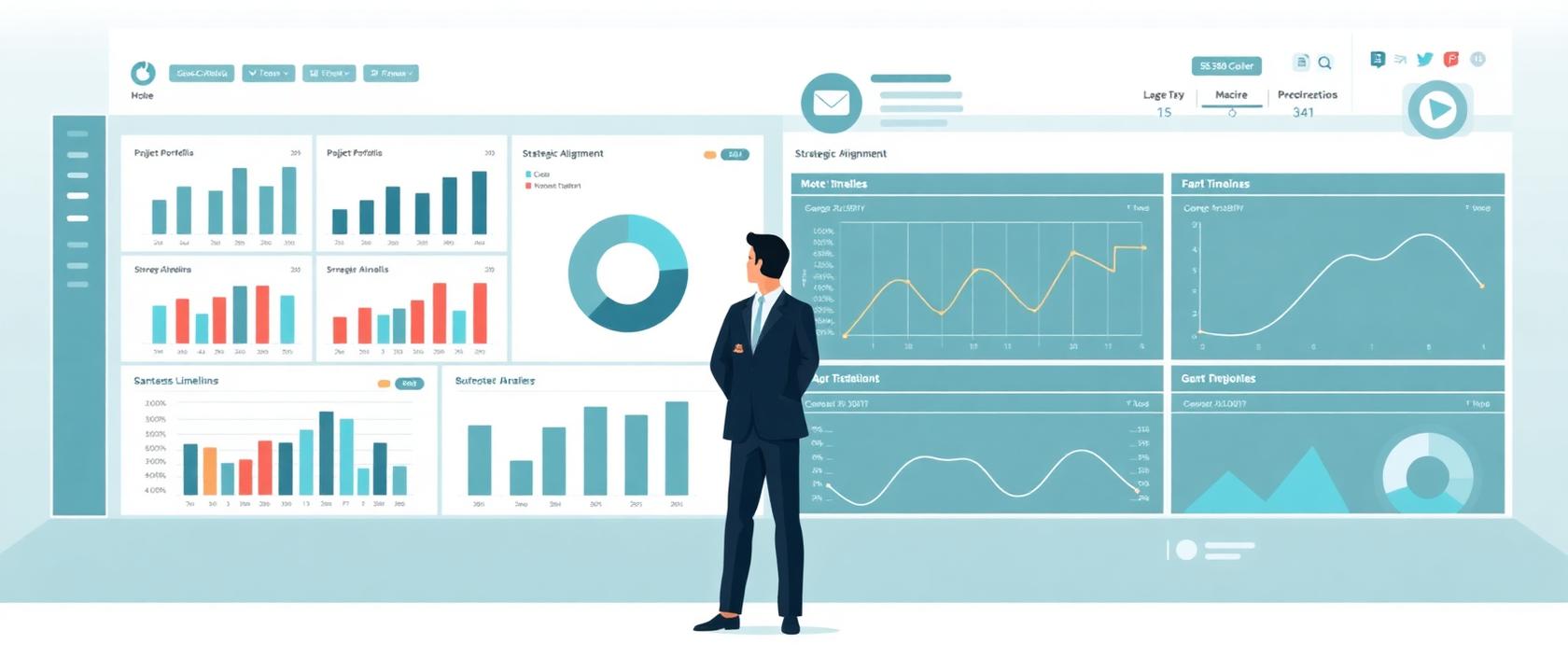
Visibility isn't complete until leaders can see the entire landscape, not just individual project snapshots. High-performing organizations use portfolio-level insights to make smart decisions and anticipate issues instead of just reacting to them. This requires visibility into resource capacity, budget forecasts, risk exposure, cross-project dependencies, and pipeline planning.

6. What Great Project Visibility Looks Like in Practice
When organizations address the root causes of project visibility issues and build strong foundations, the transformation is significant. Visibility stops being a reporting task and becomes a real operational advantage.
- Decisions become faster – and better – With real-time, centralized data, leaders no longer waste time reconciling conflicting numbers or waiting for manual updates.
- Risks surface early instead of late – Stronger visibility provides immediate awareness of slipping tasks, emerging bottlenecks, rising costs, or unresolved dependencies.
- Teams work with shared context, not silos – Unified data ensures every team works from the same version of the truth. Handoffs improve, misunderstandings decrease, and cross-functional collaboration becomes smoother.
- Portfolios become easier to steer – Portfolio-level visibility gives leaders a clearer picture of how initiatives interact and compete for resources.
- Execution accelerates across the board – Reliable visibility speeds up approvals, improves issue resolution, and makes schedules more predictable.
- Stakeholder trust increases – Consistent, traceable, up-to-date information builds trust across customers, partners, auditors, and executives.

7. A practical roadmap for fixing project visibility issues
Fixing project visibility issues takes structure and intention. It requires strengthening data foundations, unifying processes, and improving how information flows across the organization.
- Step 1: Map where your project data currently lives – Identify every system, spreadsheet, shared drive, document repository, and communication channel where project information is stored.
- Step 2: Identify gaps, inconsistencies, and bottlenecks – Once you know where your data lives, examine where visibility breaks down. Look for outdated information, different versions, missing context, and manual data entry.
- Step 3: Standardize how projects are defined and managed – Before introducing new tools, establish consistent ways of working. Define standard templates, naming conventions, phase definitions, risk categories, and approval workflows.
- Step 4: Centralize data into a unified project environment – With common processes in place, consolidate all core project information into one integrated system. Modern PPM platforms like Cerri Project make this possible.
- Step 5: Layer on dashboards, forecasting, and portfolio-level insights – Once your data foundation is stable, add cross-project dashboards, predictive analytics, early warning indicators, scenario planning, and resource forecasting.
- Step 6: Embed habits and governance that protect data quality – Technology alone won't fix visibility. Teams need clear expectations for how and when they update data, who approves changes, and how they maintain accuracy.

Conclusion: You can't fix what you can't see
Project visibility issues may seem subtle, but their impact is significant. When data is fragmented, inconsistent, or outdated, decisions are made on incomplete insight – slowing execution, increasing risk, and adding avoidable costs. Bad project data doesn't just distort reporting; it weakens the foundation of project and portfolio performance.
By addressing root causes, standardizing processes, and consolidating systems, organizations can create clarity that helps them move forward with confidence.
How useful was this article?
Get enterprise PM insights, no noise
A bi-monthly briefing on Stage-Gate governance, portfolio management, and enterprise delivery best practices.
No spam. Unsubscribe anytime.
Prefer video? Watch on YouTube
Walkthroughs, Stage-Gate demos, and manufacturing PM best practices on our channel.