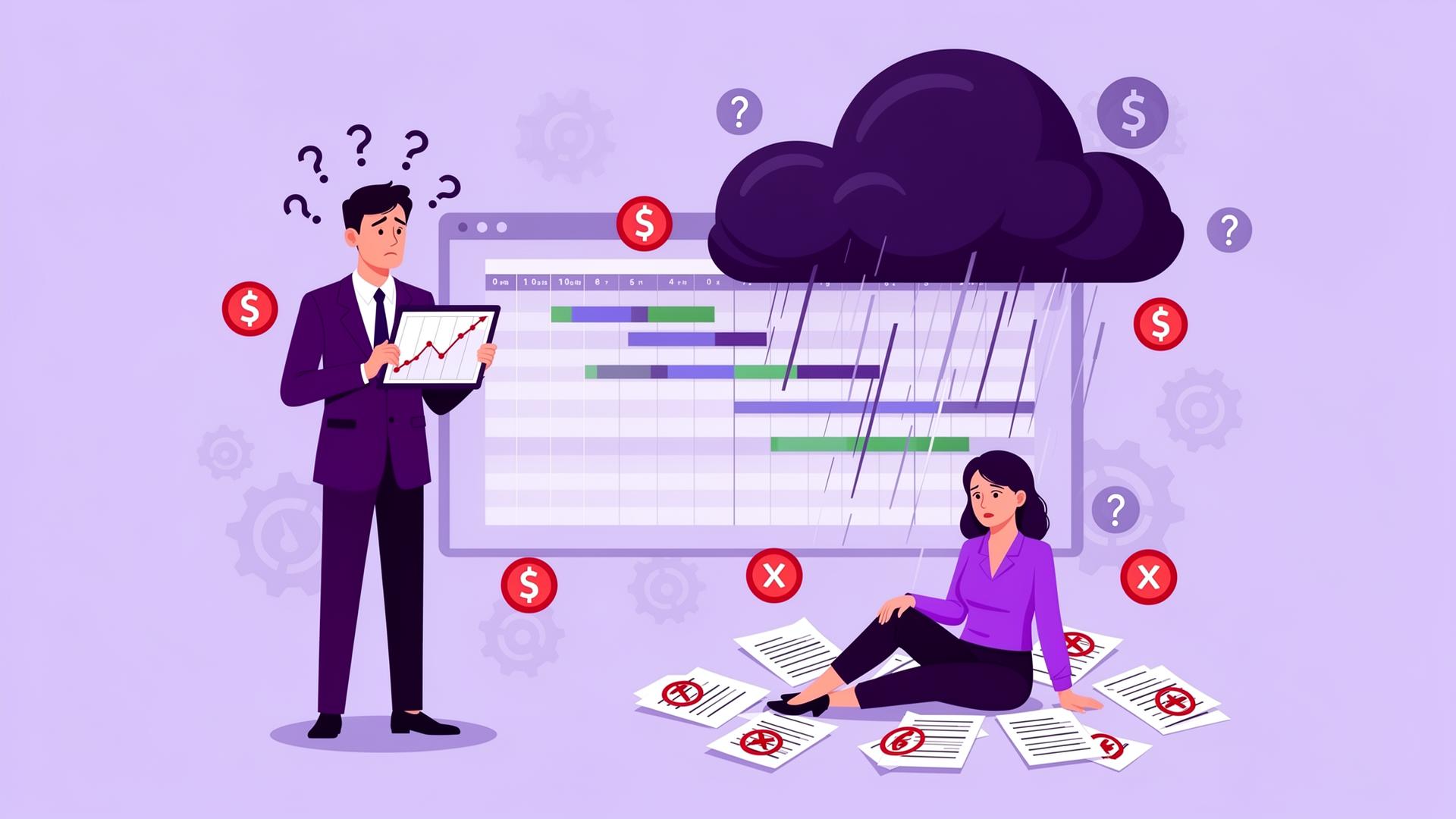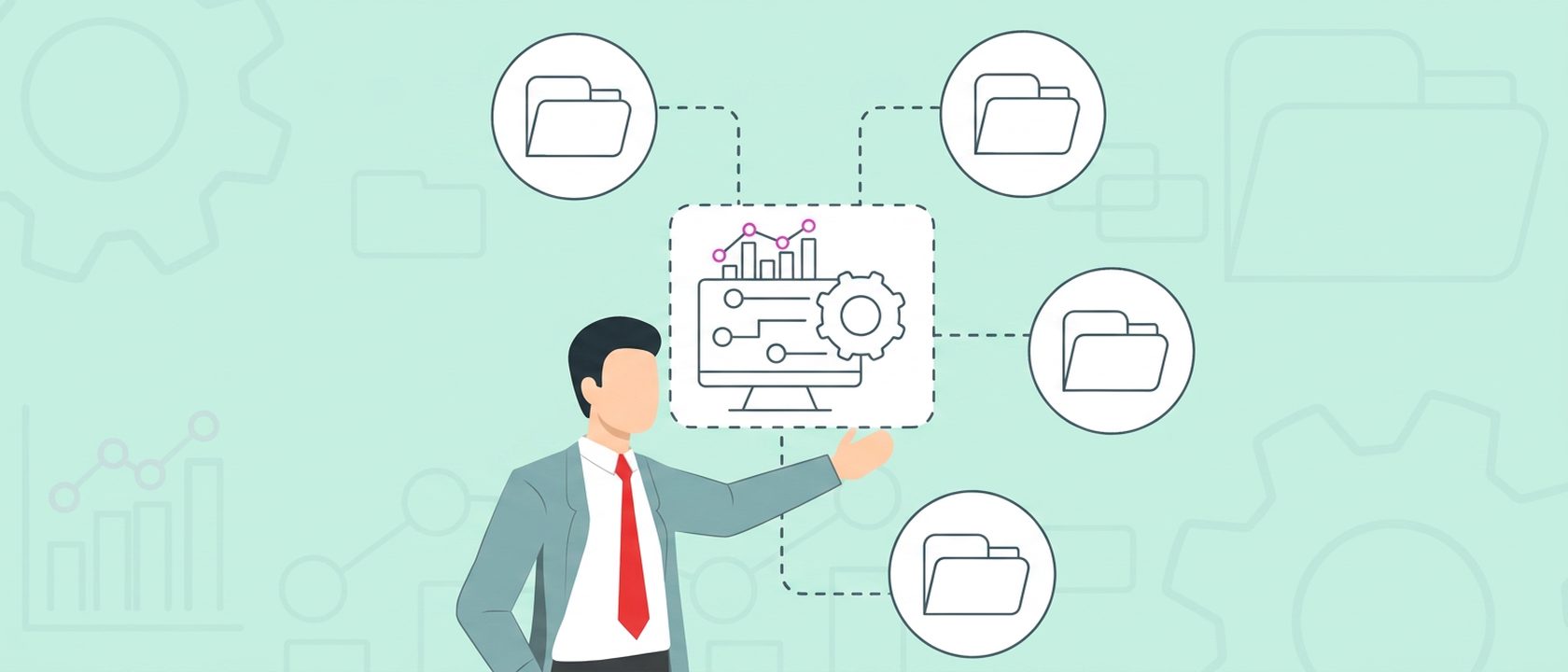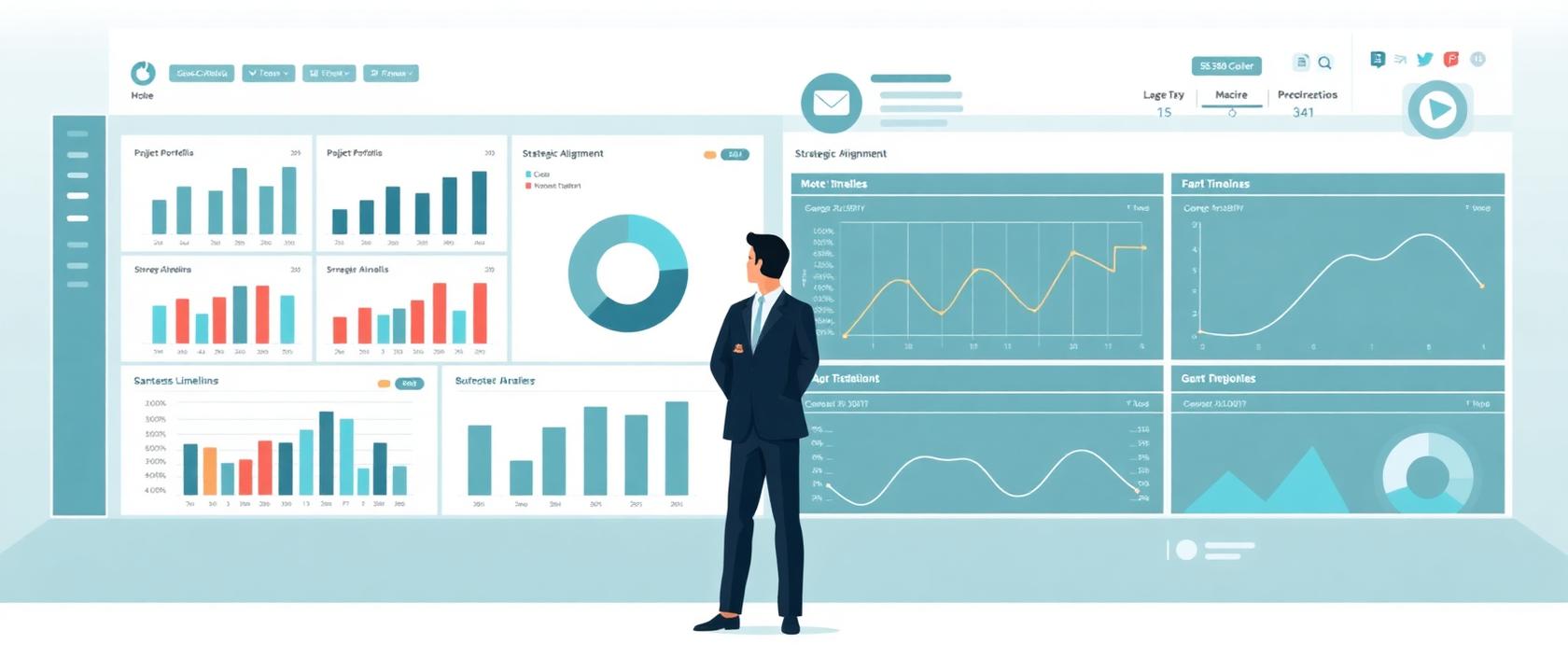
Discover the power of Enterprise Project Portfolio Management (EPPM) and how it can transform your organization's approach to managing multiple projects.
Discover the power of Enterprise Project Portfolio Management (EPPM) and how it can transform your organization's approach to managing multiple projects. Our comprehensive guide dives deep into EPPM, providing you with essential insights into its methodologies, software solutions, and the strategic advantages it offers. From aligning projects with corporate objectives to enhancing decision-making and improving resource allocation, EPPM equips leaders and teams with the tools to drive business success. Learn about the implementation strategies, benefits, challenges, and future trends that make EPPM a cornerstone of modern business efficiency.
Understanding enterprise project portfolio management
What is EPPM?
Enterprise Project Portfolio Management (EPPM) is a comprehensive approach to managing multiple projects within an organization. Unlike traditional project management, which focuses on individual projects, EPPM looks at the entire portfolio of projects and aligns them with the strategic goals of the organization. This broader perspective enables better resource allocation, risk management, and alignment with business objectives.
Key components and principles of EPPM
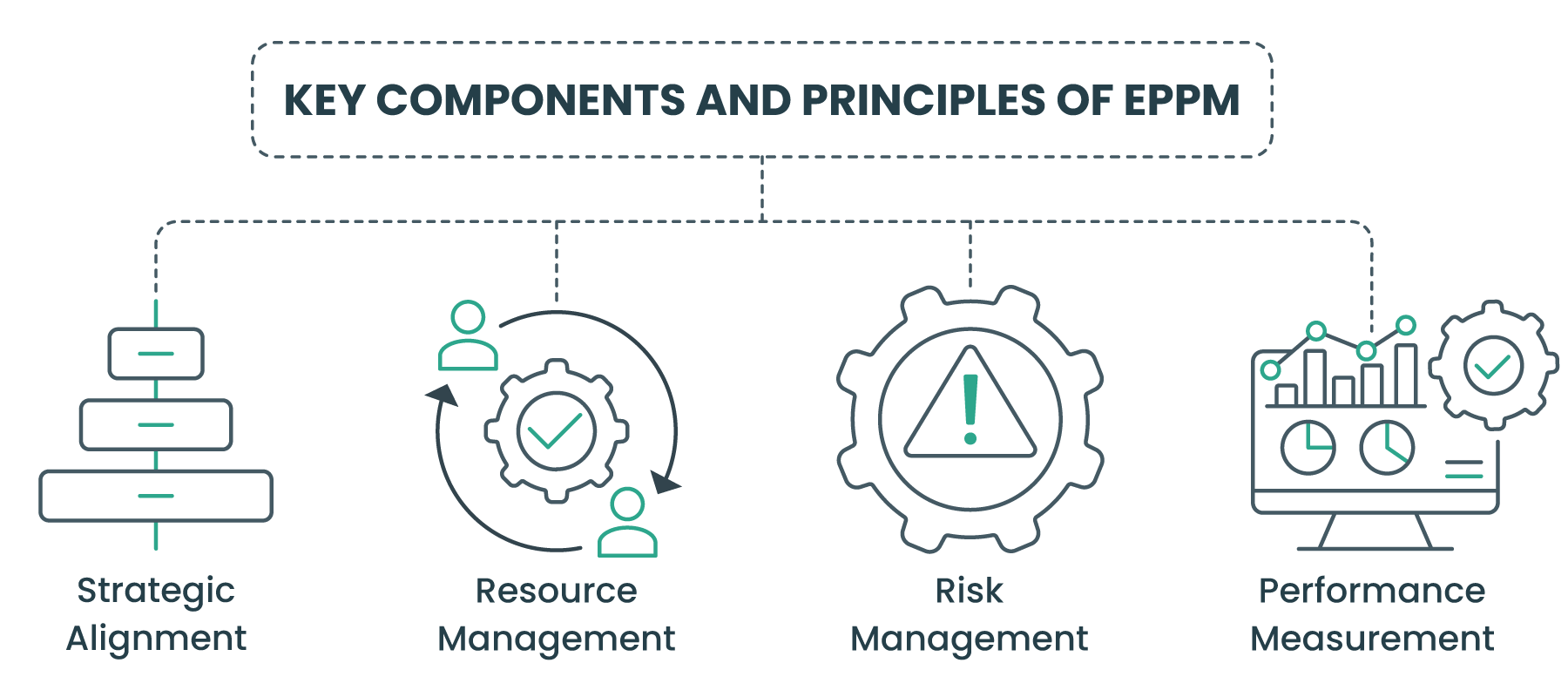
EPPM involves several essential components and principles that distinguish it from traditional project management:
1. Strategic alignment:
- Ensures all projects are aligned with the organization's strategic objectives.
- Helps prioritize projects based on their contribution to business goals.
2. Resource management:
- Efficiently allocates resources across multiple projects.
- Balances workloads to prevent bottlenecks and ensure optimal productivity.
3. Risk management:
- Identifies, assesses, and mitigates risks across the project portfolio.
- Ensures proactive risk management to avoid potential issues.
4. Performance measurement:
- Tracks performance metrics to evaluate the success of projects.
- Uses data-driven insights for continuous improvement.
EPPM vs. traditional project management
While traditional project management focuses on executing individual projects, EPPM takes a holistic view, managing interdependencies and overall portfolio performance. The key differences include scope, resource management, strategic alignment, decision-making, and prioritization.
- Scope: Traditional project management focuses on single projects, whereas EPPM manages the entire portfolio, considering interdependencies.
- Resource management: Traditional project management allocates resources for individual projects. In contrast, EPPM optimizes resources across multiple projects for greater efficiency.
- Strategic alignment: Traditional project management may not always align with long-term goals, but EPPM ensures all projects contribute to strategic objectives.
- Decision-making: In traditional project management, decisions are often project-specific. EPPM, however, uses comprehensive data to inform broader strategic decisions.
- Prioritization: Traditional project management prioritizes based on immediate needs, while EPPM prioritizes based on strategic value to the organization.
Benefits of enterprise project portfolio management
Improved resource allocation
By viewing the portfolio as a whole, organizations can allocate resources more effectively, ensuring alignment with strategic goals and minimizing waste.

Enhanced decision-making
EPPM provides comprehensive data and insights, enabling informed decision-making. This leads to better outcomes and supports strategic objectives.
Greater strategic alignment
Projects are aligned with long-term goals, ensuring every effort contributes to overall business growth.

Increased transparency and accountability
EPPM promotes transparency and accountability by tracking performance metrics and providing clear visibility into project progress, ensuring all stakeholders are informed and responsible for their roles.
Methodologies and techniques involved in EPPM
Effective Enterprise Project Portfolio Management (EPPM) relies on a variety of methodologies and techniques to ensure projects are managed efficiently and strategically. These approaches provide the structure and tools necessary for optimizing project outcomes:
1. Agile and Scrum: Utilizes iterative cycles and flexible frameworks to quickly respond to changes, enhancing project adaptability and alignment with business goals.
2. Waterfall methodology: Follows a linear, sequential approach, ideal for projects with well-defined milestones and deliverables, ensuring thorough planning and execution.
3. Lean project management: Focuses on minimizing waste and maximizing value, streamlining processes to enhance efficiency and output.
4. Six Sigma: Emphasizes data-driven decision-making and quality control to reduce defects and improve process performance.
5. Critical Path Method (CPM): Identifies key project tasks and their timelines, predicting project duration and optimizing resource allocation.
6. Earned Value Management (EVM): Integrates project scope, time, and cost parameters to assess project performance and progress.
7. Stage-Gate process: Manages new products from concept to launch through structured stages, each separated by decision points (gates) that evaluate project viability.
8. Portfolio balancing and prioritization: Evaluates and categorizes projects based on strategic value, risk, and resource demands, ensuring a balanced portfolio aligned with organizational goals.
9. Risk management: Systematically identifies and mitigates project risks, crucial for minimizing potential disruptions.
10. Dashboard and reporting tools: Utilizes advanced software tools for real-time data and analytics, supporting informed decision-making across the project portfolio.
Challenges in implementing EPPM
Common obstacles faced by organizations
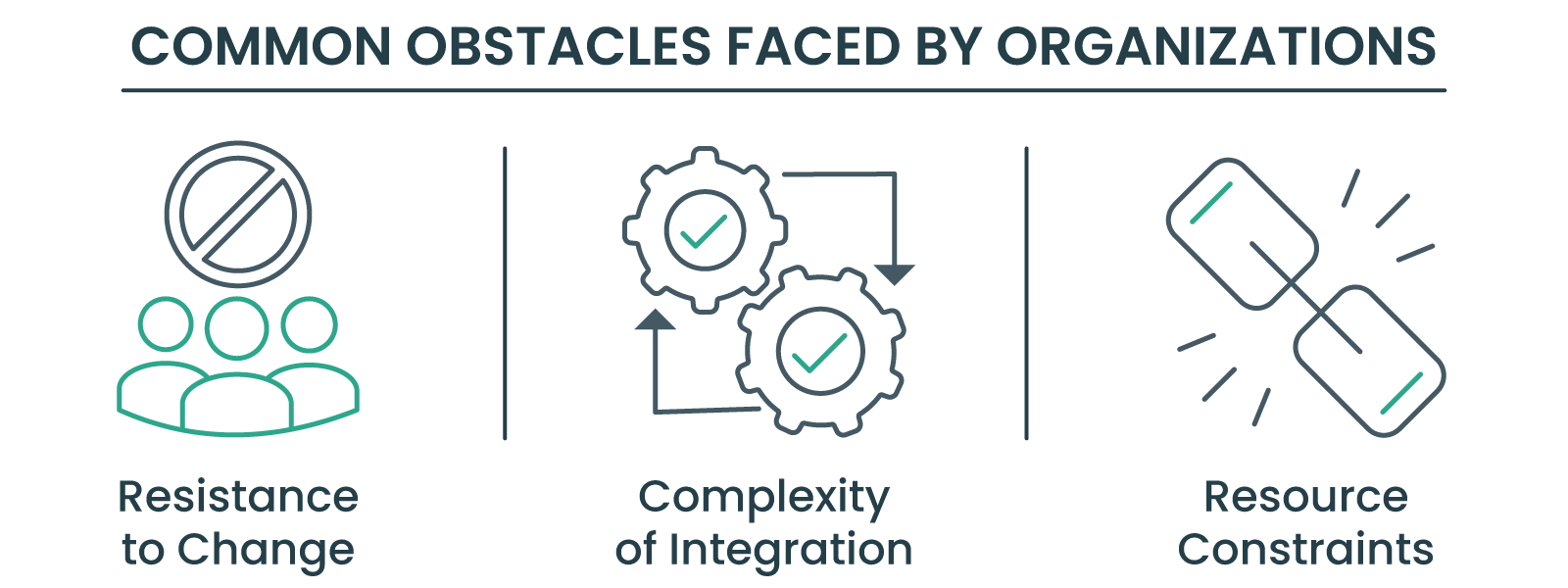
Implementing EPPM can be challenging due to several common obstacles:
1. Resistance to change: Employees may resist adopting new processes and tools. Overcoming this resistance requires effective change management strategies.
2. Complexity of integration: Integrating EPPM with existing systems and processes can be complex. This requires careful planning and coordination.
3. Resource constraints: Limited resources can hinder the implementation of EPPM. Efficient allocation and prioritization of resources are necessary to address this challenge.
Solutions and best practices to overcome these challenges
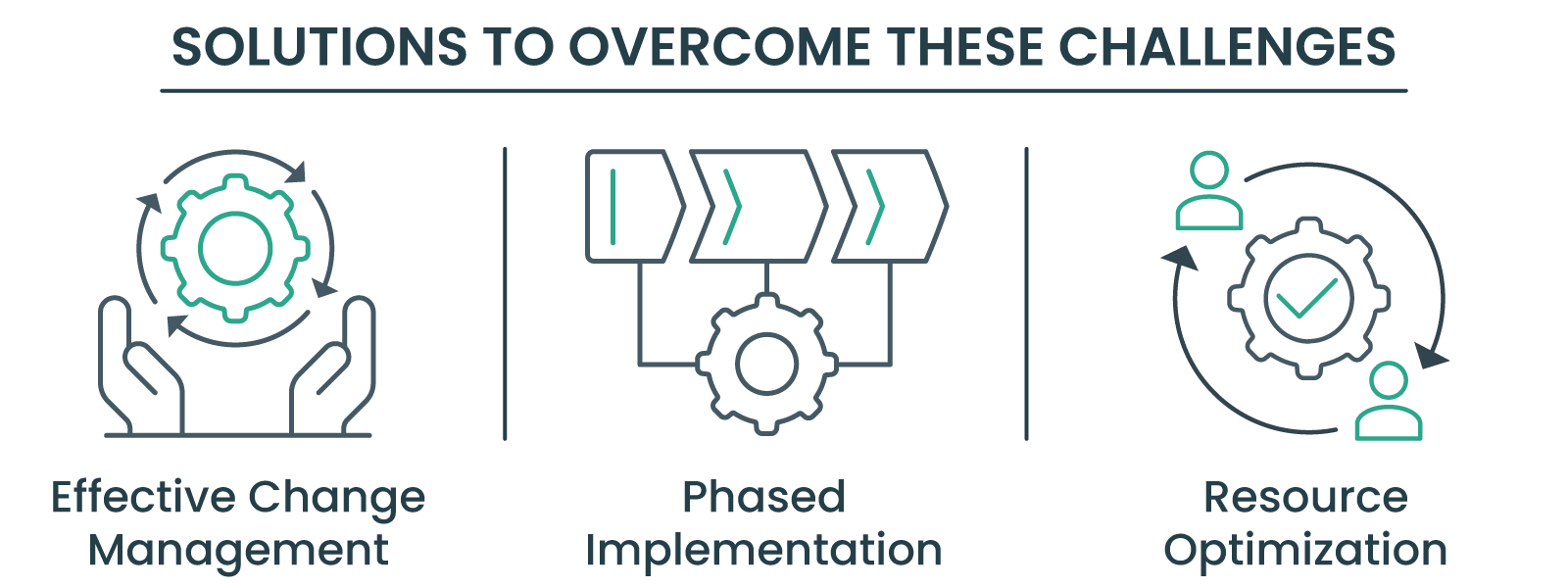
To overcome these challenges, organizations can adopt several best practices:
1. Effective change management:
- Communicate the benefits of EPPM to all stakeholders.
- Provide training and support to facilitate adoption.
2. Phased implementation:
- Implement EPPM in phases to manage complexity.
- Start with pilot projects and gradually scale up.
3. Resource optimization:
- Prioritize projects based on strategic value.
- Ensure efficient allocation of resources.
The role of enterprise project portfolio management software
Enterprise Project Portfolio Management (EPPM) software is essential for effectively managing multiple projects within an organization. It offers a range of features that streamline processes, enhance decision-making, and ensure strategic alignment.
Key features of EPPM software
EPPM software plays a crucial role in streamlining project portfolio management. Key features include:
1. Functionality
When selecting EPPM software, consider the functionality it offers. Ensure the software includes the necessary features for your organization and has customization options to meet specific needs. A robust feature set tailored to your requirements is crucial for effective project and portfolio management.
2. Usability
Usability is another critical factor. Choose software that is user-friendly and easy to adopt. Providing training and support can greatly facilitate the adoption process, ensuring that your team can efficiently use the software and leverage its capabilities to the fullest.
3. Integration
Integration capabilities should also be evaluated. Ensure the EPPM software can seamlessly integrate with your existing systems and processes. Compatibility with other tools used by your organization is essential for a cohesive workflow and maximizing the software's potential benefits.
Tips for a successful software implementation
To ensure successful software implementation, follow these tips:
1. Plan ahead: Define clear goals and objectives for the implementation. Develop a detailed implementation plan.
2. Engage stakeholders: Involve key stakeholders in the decision-making process. Communicate the benefits of the software to all users.
3. Provide training and support: Offer training sessions to familiarize users with the software. Provide ongoing support to address any issues.
Future trends in enterprise project portfolio management
Emerging technologies and innovations
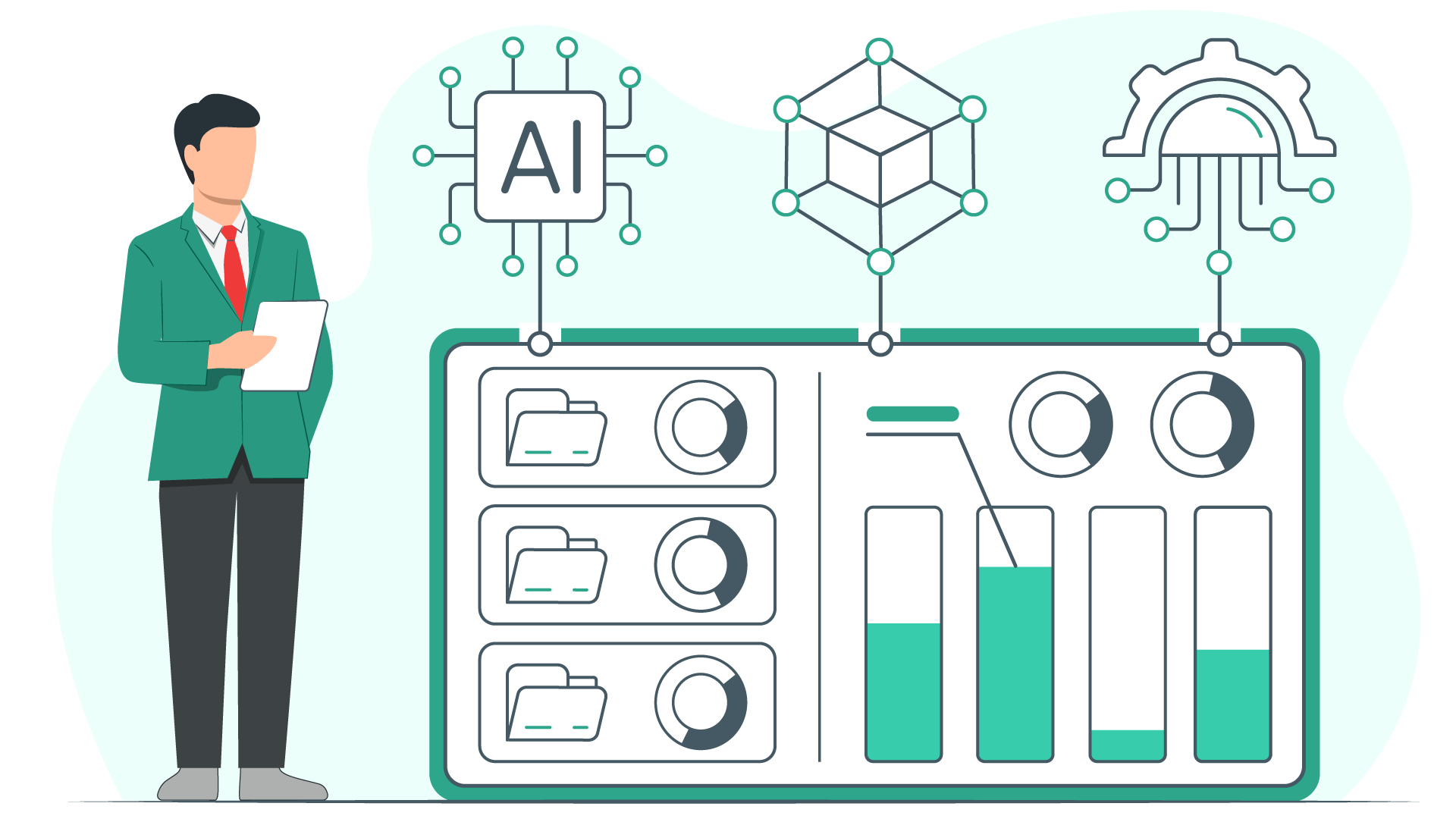
The field of EPPM is continuously evolving, with several emerging technologies and innovations on the horizon:
1. Artificial Intelligence (AI)
AI-powered tools have the potential to significantly enhance decision-making processes and automate routine tasks, freeing up valuable time for project managers. Additionally, predictive analytics driven by AI can identify potential risks and opportunities before they become critical issues, allowing for more proactive management.
2. Blockchain technology
Blockchain technology can greatly enhance transparency and accountability within project management. By providing a secure and immutable record of project data, blockchain ensures that all project transactions and modifications are recorded accurately and cannot be tampered with, fostering a higher level of trust among stakeholders.
3. Internet of Things (IoT)
IoT devices are capable of delivering real-time data on various aspects of project performance. This technology enhances visibility and control over project activities, allowing managers to monitor progress and make data-driven decisions swiftly. The integration of IoT in project management can lead to more efficient and responsive project execution.
Predictions for the future of EPPM
The future of EPPM is likely to be shaped by several key trends. Increased automation will play a significant role in streamlining project management processes, reducing manual effort and enhancing efficiency. Data-driven decision-making will become increasingly important in EPPM; data analytics will provide insights for informed decision-making. Enhanced collaboration will continue to evolve, with tools enabling better communication and teamwork, thereby enhancing the overall effectiveness of project management.
Conclusion
In conclusion, Enterprise Project Portfolio Management (EPPM) is a crucial tool for organizations looking to enhance efficiency, improve decision-making, and achieve strategic goals. By understanding the principles of EPPM, leveraging the right software, and staying ahead of emerging trends, organizations can maximize their success in today's competitive business environment.
Are you ready to take your project portfolio management to the next level? Explore Cerri's EPPM software solutions and experience the benefits of streamlined project management.
How useful was this article?
Get enterprise PM insights, no noise
A bi-monthly briefing on Stage-Gate governance, portfolio management, and enterprise delivery best practices.
No spam. Unsubscribe anytime.
Prefer video? Watch on YouTube
Walkthroughs, Stage-Gate demos, and manufacturing PM best practices on our channel.